Buy visitinghomecareservices.eu ?
We are moving the project
visitinghomecareservices.eu .
Are you interested in purchasing the domain
visitinghomecareservices.eu ?
domain@kv-gmbh.de · 0541-91531010
Buy visitinghomecareservices.eu ?
Please provide quick assistance in biology regarding the significance of starch glucose.
Starch is a polysaccharide made up of glucose molecules and serves as a storage form of energy in plants. When needed, starch can be broken down into glucose to provide energy for the plant. In the human body, starch is also broken down into glucose during digestion, providing a source of energy for our cells. Glucose is the primary source of energy for most living organisms, and it plays a crucial role in cellular respiration, providing the necessary fuel for metabolic processes. Therefore, the significance of starch glucose lies in its role as a vital energy source for both plants and animals. **
What is the role of cell biology in biology?
Cell biology is a fundamental branch of biology that focuses on the study of cells, their structure, function, and behavior. It plays a crucial role in understanding the basic unit of life and how organisms function at a cellular level. By studying cell biology, scientists can gain insights into various biological processes such as growth, reproduction, metabolism, and disease. Overall, cell biology provides a foundation for advancing our knowledge of living organisms and their interactions with the environment. **

Similar search terms for Biology
Top-Angebote
Products related to Biology:
-
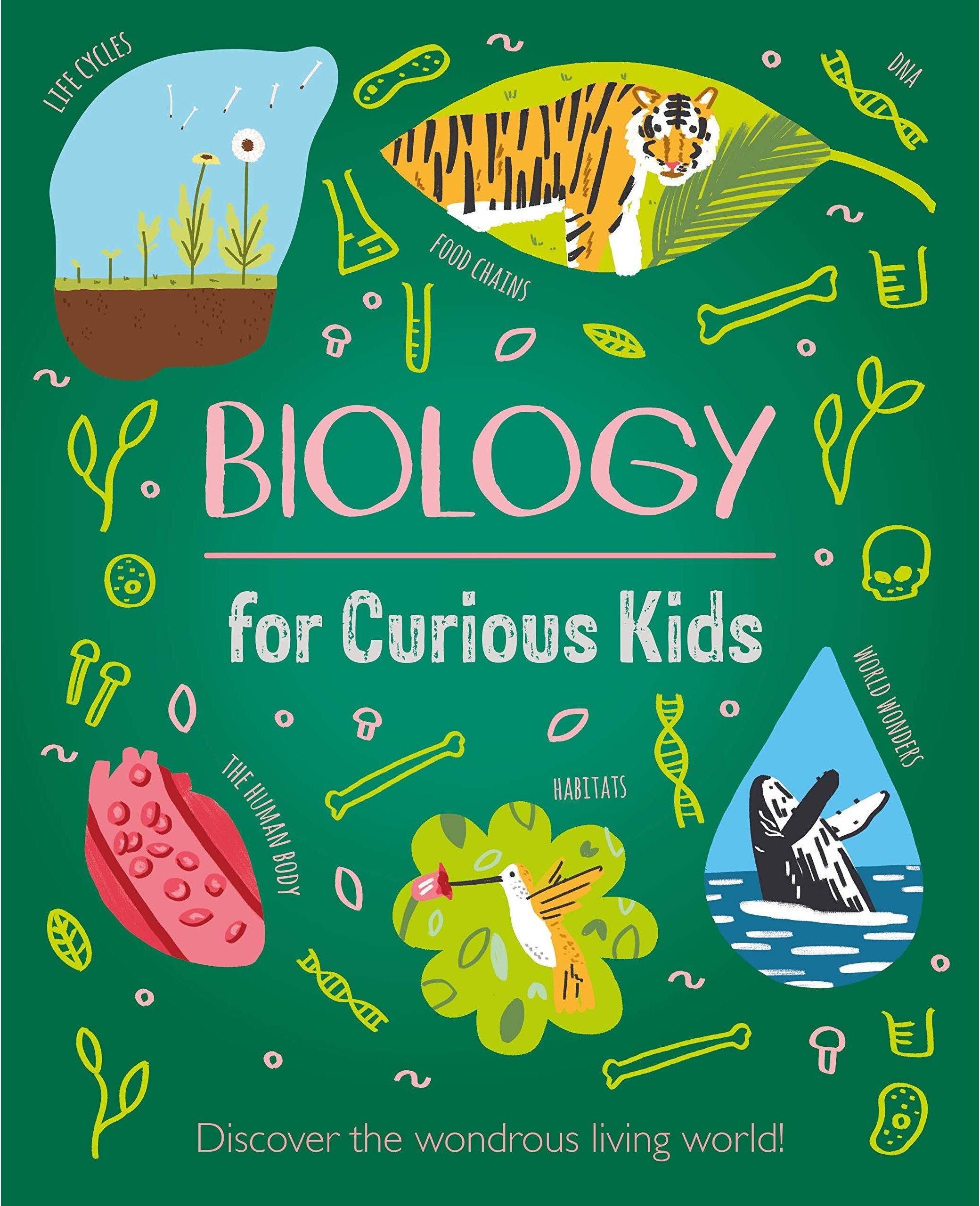
Arcturus Biology for Curious Kids: Discover the Wondrous Living World! (Curious Kids, 1)Young readers can take their first step in a lifelong love of the natural world with this introduction to biology, presented in a wonderful jacketed hardback format with full-colour illustrations. This inspirational book is packed with clear and engaging explanations of the natural world and the science behind it, accompanied by beautiful full-colour illustrations by Alex Foster. Supporting STEM learning, this book is an ideal supplement to school education as it covers many core topics in an entertaining and easy-to-understand way. Big new concepts pop off the page thanks to vibrant diagrams and an engaging, energetic text. Kids will relish sharing them with friends and family! Young readers will love exploring exhilarating new ideas about: • The human body and its organs • Animals, plants, and other living things • The microscopic universe of cells • Ecology and biodiversity Perfect for readers aged 8-12.7,99 £*Shipping: 2,99 £Secure redirect to the provider
-
A-Derma Biology AC purifying foam gel for oily and combination skin 200 mlA-Derma Biology AC, 200 ml, Cleansing for Women, Before you start your regular skincare routine, it is very important to prepare your skin with a thorough cleansing - without it, the following beauty care routine would not be nearly as effective. The A-DermaBiology cleanser helps to remove all the impurities that have settled on the skin and in the pores throughout the day or overnight, leaving the skin perfectly clean and ready for any further skin treatments. Characteristics: non-comedogenic product regulates sebum production leaves skin completely clean Ingredients: contains a minimum of 99% ingredients of natural origin12,50 £*Shipping: 3,99 £Secure redirect to the provider
-
CGP Books GCSE AQA Combined Science Revision Question Cards 3 Pack Set (Chemistry, Physics, Biology)To cut to the chase, there’s more to revision than just reading through study notes. If you really want to make sure you know GCSE Chemistry, Physics and Biology you’ll need to test yourself - and that’s where these CGP Revision Question Cards come in! There are 95 cards in the pack, covering every key Grade 9-1 AQA topic. Each one starts off with quick questions to warm you up, followed by harder questions to get your brain into top gear. Flip the card over and you’ll find full answers to each question, carefully written to help you understand everything you need to know. Along the way, we’ve packed in plenty of diagrams and expert revision tips, and there are even questions on Working Scientifically and Practical Skills. Amazing!21,99 £*Shipping: 2,99 £Secure redirect to the provider
-
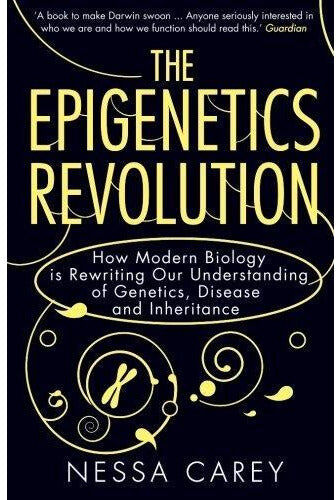
Icon Books The Epigenetics Revolution - How Modern Biology Is Rewriting Our Understanding Of Genetics Disease..At the beginning of this century enormous progress had been made in genetics. The Human Genome Project finished sequencing human DNA. It seemed it was only a matter of time until we had all the answers to the secrets of life on this planet.6,95 £*Shipping: 2,99 £Secure redirect to the provider


-
How can one support seniors in memory training?
One can support seniors in memory training by encouraging them to engage in activities that stimulate their brain, such as puzzles, games, and learning new skills. Providing a supportive and positive environment for them to practice memory exercises can also be helpful. Additionally, offering reminders and cues to help them remember important information and being patient and understanding during the learning process can make a big difference in their memory training journey. **
-
What are enzymes in biology?
Enzymes are biological molecules that act as catalysts to speed up chemical reactions in living organisms. They are typically proteins that bind to specific molecules, called substrates, and help to convert them into different molecules. Enzymes are essential for various cellular processes, such as metabolism, digestion, and DNA replication. They are highly specific, meaning each enzyme catalyzes a particular reaction. **
-
What is photosynthesis in biology?
Photosynthesis is the process by which green plants, algae, and some bacteria convert light energy, usually from the sun, into chemical energy stored in glucose molecules. This process involves the absorption of carbon dioxide and water, which are then converted into glucose and oxygen with the help of chlorophyll and other pigments. Photosynthesis is essential for the survival of plants and other organisms that depend on them for food and oxygen. **
-
What is lactose in biology?
Lactose is a type of sugar found in milk and dairy products. It is a disaccharide composed of two simple sugars, glucose and galactose. In biology, lactose is broken down by the enzyme lactase into its component sugars, which can then be absorbed and used as a source of energy by the body. Some individuals have lactose intolerance, which means they lack the enzyme lactase and have difficulty digesting lactose. **


What is Roundup in biology?
Roundup is a brand name for a widely used herbicide containing the active ingredient glyphosate. Glyphosate works by inhibiting an enzyme essential for plant growth, effectively killing unwanted vegetation. It is commonly used in agriculture, gardening, and landscaping to control weeds. However, there is ongoing debate about the potential environmental and health impacts of glyphosate. **
What are chromosomes in biology?
Chromosomes are thread-like structures made of DNA and proteins that carry genetic information in the form of genes. They are found in the nucleus of eukaryotic cells and are responsible for passing on hereditary traits from one generation to the next. Humans typically have 23 pairs of chromosomes, with one set inherited from each parent. Chromosomes play a crucial role in cell division, growth, and development. **
Top-Angebote
Products related to Biology:
-
A-Derma Biology AC cleansing micellar water 200 mlA-Derma Biology AC, 200 ml, Micellar Waters for Women, The A-DermaBiologyAC micellar water is enriched with tiny active particles that bind to any impurities and sebum on contact with the skin. Thanks to these particles, called micelles, this water ensures thorough foundation removal in a few minutes and without the need for pressure or friction on the skin. The micelles are so effective that they can handle even the most stubborn waterproof foundation. Characteristics: cleans pores deeply keeps skin balanced can also be used on sensitive skin Ingredients: contains a minimum of 99% ingredients of natural origin How to use: Use in the morning and evening or as needed. Apply enough of the product to a cotton wool pad and wipe gently to remove makeup and clean the skin.12,70 £*Shipping: 3,99 £Secure redirect to the provider
-
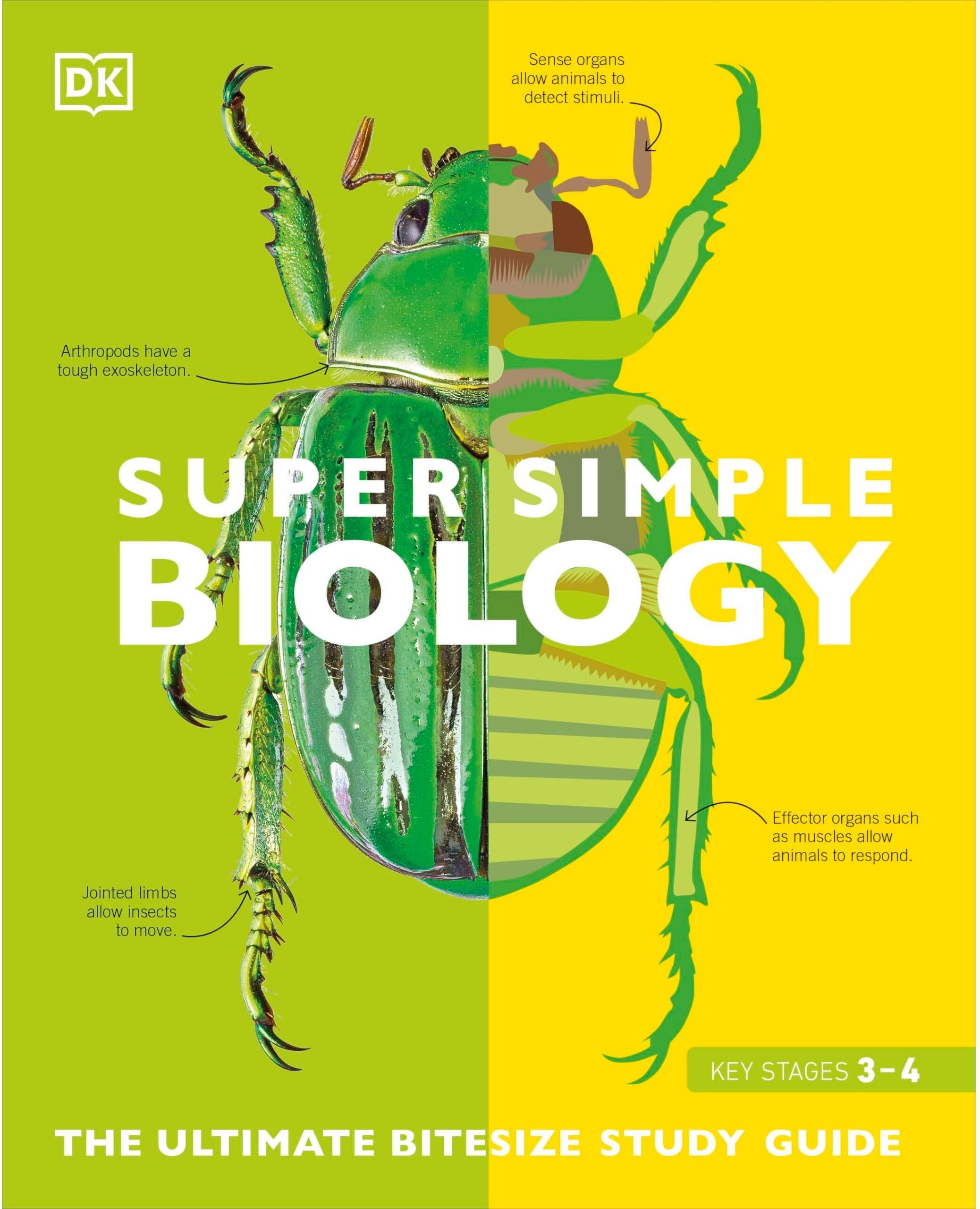
DK Super Simple Biology: The Ultimate Bitesize Study GuideFrom reproduction to respiration and from enzymes to ecosystems, this guide makes complex topics easy to grasp at a glance. Perfect support for coursework, homework, and exam revision. Each topic is fully illustrated to support the information, make the facts crystal clear, and bring the science to life. For key ideas, "How it works" and "Look closer" boxes explain the theory with the help of simple graphics. And for revision, a handy "Key facts" box provides a simple summary you can check back on later. With clear, concise coverage of all the core biology topics, SuperSimple Biology is the perfect accessible guide to biology for children, supporting classwork, and making studying for exams the easiest it's ever been.7,90 £*Shipping: 2,99 £Secure redirect to the provider
-
Arcturus Biology for Curious Kids: Discover the Wondrous Living World! (Curious Kids, 1)Young readers can take their first step in a lifelong love of the natural world with this introduction to biology, presented in a wonderful jacketed hardback format with full-colour illustrations. This inspirational book is packed with clear and engaging explanations of the natural world and the science behind it, accompanied by beautiful full-colour illustrations by Alex Foster. Supporting STEM learning, this book is an ideal supplement to school education as it covers many core topics in an entertaining and easy-to-understand way. Big new concepts pop off the page thanks to vibrant diagrams and an engaging, energetic text. Kids will relish sharing them with friends and family! Young readers will love exploring exhilarating new ideas about: • The human body and its organs • Animals, plants, and other living things • The microscopic universe of cells • Ecology and biodiversity Perfect for readers aged 8-12.7,99 £*Shipping: 2,99 £Secure redirect to the provider
-
A-Derma Biology AC purifying foam gel for oily and combination skin 200 mlA-Derma Biology AC, 200 ml, Cleansing for Women, Before you start your regular skincare routine, it is very important to prepare your skin with a thorough cleansing - without it, the following beauty care routine would not be nearly as effective. The A-DermaBiology cleanser helps to remove all the impurities that have settled on the skin and in the pores throughout the day or overnight, leaving the skin perfectly clean and ready for any further skin treatments. Characteristics: non-comedogenic product regulates sebum production leaves skin completely clean Ingredients: contains a minimum of 99% ingredients of natural origin12,50 £*Shipping: 3,99 £Secure redirect to the provider
-
Please provide quick assistance in biology regarding the significance of starch glucose.
Starch is a polysaccharide made up of glucose molecules and serves as a storage form of energy in plants. When needed, starch can be broken down into glucose to provide energy for the plant. In the human body, starch is also broken down into glucose during digestion, providing a source of energy for our cells. Glucose is the primary source of energy for most living organisms, and it plays a crucial role in cellular respiration, providing the necessary fuel for metabolic processes. Therefore, the significance of starch glucose lies in its role as a vital energy source for both plants and animals. **
-
What is the role of cell biology in biology?
Cell biology is a fundamental branch of biology that focuses on the study of cells, their structure, function, and behavior. It plays a crucial role in understanding the basic unit of life and how organisms function at a cellular level. By studying cell biology, scientists can gain insights into various biological processes such as growth, reproduction, metabolism, and disease. Overall, cell biology provides a foundation for advancing our knowledge of living organisms and their interactions with the environment. **
-
How can one support seniors in memory training?
One can support seniors in memory training by encouraging them to engage in activities that stimulate their brain, such as puzzles, games, and learning new skills. Providing a supportive and positive environment for them to practice memory exercises can also be helpful. Additionally, offering reminders and cues to help them remember important information and being patient and understanding during the learning process can make a big difference in their memory training journey. **
-
What are enzymes in biology?
Enzymes are biological molecules that act as catalysts to speed up chemical reactions in living organisms. They are typically proteins that bind to specific molecules, called substrates, and help to convert them into different molecules. Enzymes are essential for various cellular processes, such as metabolism, digestion, and DNA replication. They are highly specific, meaning each enzyme catalyzes a particular reaction. **
Similar search terms for Biology
-
CGP Books GCSE AQA Combined Science Revision Question Cards 3 Pack Set (Chemistry, Physics, Biology)To cut to the chase, there’s more to revision than just reading through study notes. If you really want to make sure you know GCSE Chemistry, Physics and Biology you’ll need to test yourself - and that’s where these CGP Revision Question Cards come in! There are 95 cards in the pack, covering every key Grade 9-1 AQA topic. Each one starts off with quick questions to warm you up, followed by harder questions to get your brain into top gear. Flip the card over and you’ll find full answers to each question, carefully written to help you understand everything you need to know. Along the way, we’ve packed in plenty of diagrams and expert revision tips, and there are even questions on Working Scientifically and Practical Skills. Amazing!21,99 £*Shipping: 2,99 £Secure redirect to the provider
-
Icon Books The Epigenetics Revolution - How Modern Biology Is Rewriting Our Understanding Of Genetics Disease..At the beginning of this century enormous progress had been made in genetics. The Human Genome Project finished sequencing human DNA. It seemed it was only a matter of time until we had all the answers to the secrets of life on this planet.6,95 £*Shipping: 2,99 £Secure redirect to the provider
-
CGP Books CGP GCSE 9-1 AQA Revision Question Cards 3 Books Collection Set (Biology, Physics, Chemistry)New 9-1 gcse chemistry, biology, physics collection 3 books set -aqa revision question cards. Description:- New 9-1 GCSE Chemistry AQA Revision Question Cards (CGP GCSE Chemistry 9-1 Revision) To cut to the chase, there’s more to revision than just reading through study notes. If you really want to make sure you know GCSE Chemistry, you’ll need to test yourself - and that’s where these CGP Revision Question Cards come in! There are 95 cards in the pack, covering every key Grade 9-1 AQA topic. Each one starts off with quick questions to warm you up, followed by harder questions to get your brain into top gear. Flip the card over and you’ll find full answers to each question, carefully written to help you understand everything you need to know. New 9-1 GCSE Physics AQA Revision Question Cards (CGP GCSE Physics 9-1 Revision) Reading over study notes doesn’t mean you’ll automatically remember everything - to really put your GCSE Physics knowledge to the test, try these superb CGP Revision Question Cards! There are 95 cards in the pack, covering every key Grade 9-1 AQA topic. Each one starts off with quick questions to warm you up, followed by harder questions to get your brain into top gear. Flip the card over and you’ll find full answers to each question, carefully written to help you understand everything you need to know. New 9-1 GCSE Biology AQA Revision Question Cards (CGP GCSE Biology 9-1 Revision) Let’s face it: you won’t learn much by just reading through your study notes. If you really want to make sure you know GCSE Biology, you’ll need to test yourself - and that’s where these CGP Revision Question Cards come in! There are 95 cards in the pack, covering every key Grade 9-1 AQA topic. Each one starts off with quick questions to warm you up, followed by harder questions to get your brain into top gear. Flip the card over and you’ll find full answers to each question, carefully written to help you understand everything you need to know.25,95 £*Shipping: 2,99 £Secure redirect to the provider
-
My Revision Notes: AQA GCSE (9-1) Biology, Physics & Chemistry 3 Books Collection Set - Ages 14-16 - Paperback Hodder EducationTitle in This Set: 1. My Revision Notes: AQA GCSE (9-1) Biology 2. My Revision Notes: AQA GCSE (9-1) Physics 3. My Revision Notes: AQA GCSE (9-1) Chemistry Description: Exam Board: AQA Level: GCSE Subject: Biology, Physics & Chemistry First Teaching: September 2016 First Exam: Summer 2018 Unlock your students' full potential with these revision guides from our best-selling series My Revision Notes With My Revision Notes your students can: - Manage their own revision with step-by-step support from experienced teachers with examining experience. - Apply scientific terms accurately with the help of definitions and key words. - Prepare for practicals with questions based on practical work. - Focus on the key points from each topic - Plan and pace their revision with the revision planner. - Test understanding with end-of-topic questions and answers. - Get exam ready with last minute quick quizzes available on the Hodder Education Website.19,99 £*Shipping: 2,99 £Secure redirect to the provider
-
What is photosynthesis in biology?
Photosynthesis is the process by which green plants, algae, and some bacteria convert light energy, usually from the sun, into chemical energy stored in glucose molecules. This process involves the absorption of carbon dioxide and water, which are then converted into glucose and oxygen with the help of chlorophyll and other pigments. Photosynthesis is essential for the survival of plants and other organisms that depend on them for food and oxygen. **
-
What is lactose in biology?
Lactose is a type of sugar found in milk and dairy products. It is a disaccharide composed of two simple sugars, glucose and galactose. In biology, lactose is broken down by the enzyme lactase into its component sugars, which can then be absorbed and used as a source of energy by the body. Some individuals have lactose intolerance, which means they lack the enzyme lactase and have difficulty digesting lactose. **
-
What is Roundup in biology?
Roundup is a brand name for a widely used herbicide containing the active ingredient glyphosate. Glyphosate works by inhibiting an enzyme essential for plant growth, effectively killing unwanted vegetation. It is commonly used in agriculture, gardening, and landscaping to control weeds. However, there is ongoing debate about the potential environmental and health impacts of glyphosate. **
-
What are chromosomes in biology?
Chromosomes are thread-like structures made of DNA and proteins that carry genetic information in the form of genes. They are found in the nucleus of eukaryotic cells and are responsible for passing on hereditary traits from one generation to the next. Humans typically have 23 pairs of chromosomes, with one set inherited from each parent. Chromosomes play a crucial role in cell division, growth, and development. **
* All prices are inclusive of VAT and, if applicable, plus shipping costs. The offer information is based on the details provided by the respective shop and is updated through automated processes. Real-time updates do not occur, so deviations can occur in individual cases. ** Note: Parts of this content were created by AI.