Buy visitinghomecareservices.eu ?
We are moving the project
visitinghomecareservices.eu .
Are you interested in purchasing the domain
visitinghomecareservices.eu ?
domain@kv-gmbh.de · 0541-91531010
Buy visitinghomecareservices.eu ?
What is the PSA level?
The PSA level, or prostate-specific antigen level, is a blood test used to screen for prostate cancer and to monitor the progression of the disease in men who have been diagnosed with prostate cancer. PSA is a protein produced by the prostate gland, and elevated levels of PSA in the blood can indicate the presence of prostate cancer or other prostate conditions. However, it is important to note that an elevated PSA level does not necessarily mean that a man has prostate cancer, and further testing is usually needed to confirm a diagnosis. **
Is the Skiploom really PSA 10?
Without seeing the Skiploom in question, it is difficult to definitively say whether it is truly a PSA 10. However, PSA 10 is the highest grade a card can receive from the Professional Sports Authenticator, indicating that the card is in pristine condition with no visible flaws. To determine if the Skiploom is truly a PSA 10, it would be necessary to carefully examine the card for any imperfections and compare it to the grading standards set by PSA. **

Similar search terms for Elsevier-Pass-the-PSA
Top-Angebote
Products related to Elsevier-Pass-the-PSA:
-
Elsevier Children in Intensive Care: A Survival GuideWritten in a friendly, no-nonsense, style, Children in Intensive Care is a quick reference guide to the management of the acutely ill child in the hospital, or pre-hospital, setting. Fully updated throughout and rich with useful 'Alert' boxes and tables - to make learning and reference easy - this handy publication covers a broad range of essential topics such as drug dosages and compatibilities and normal reference ranges as well as harder to find information such as chest X-ray interpretation and troubleshooting technical equipment. Compiled from daily 'on the job' collation of useful facts and figures, this manual also offers practical advice about important non-acute issues such as infection control, common childhood diseases and child protection as well as new findings on the management of sepsis, the collapsed child and care of the child following spinal surgery. With over 10,000 copies sold, this book is an absolute must for any clinician involved with the management of critically ill children, whether it be on the wards, in theatres, high-dependency or intensive care units, as well as during retrieval and in A&E. Information presented in quick reference format, with accompanying reference tables, to facilitate on-the-spot usage Advanced Life Support Group algorithms provide safe and easy-to-follow protocols to the management of emergency situations Contains input from a broad range of paediatric specialists - intensivists, anaesthetists, haematologists, oncologists, air ambulance physicians and retrieval nurses, pharmacists, specialist dieticians, and respiratory physiotherapists - to ensure full coverage and accuracy of information Contains helpful 'Quick Guide' and 'Warning' boxes to provide key information at a glance, while helpful mnemonics assist with learning Contains chapters on normal child development, safe-guarding children and young people, and patient transport Perfect for use on the wards, theatres, high-dependency units and intensive care units as well as during retrieval and A&E Ideal for newcomers and experienced staff alike, whether they be junior doctors or nursing staff Additional authorship brings the expertise of Marilyn McDougall, a Senior Paediatric Intensive Care Consultant Contains brand new chapters - oncology emergencies and pain & sedation - as well as the latest information on topics including sepsis and the collapsed neonate, and care of children after spinal surgery Comprehensively expanded cardiac chapter presents new surgical approaches as well as practical tips on pacing, care of chest drains and basic echocardiograph terminology Drug chapter now includes reversal agents, new drug profiles and an updated compatibilities chart Expanded artwork program explains clinical concepts and practical procedures22,95 £*Shipping: 2,99 £Secure redirect to the provider
-
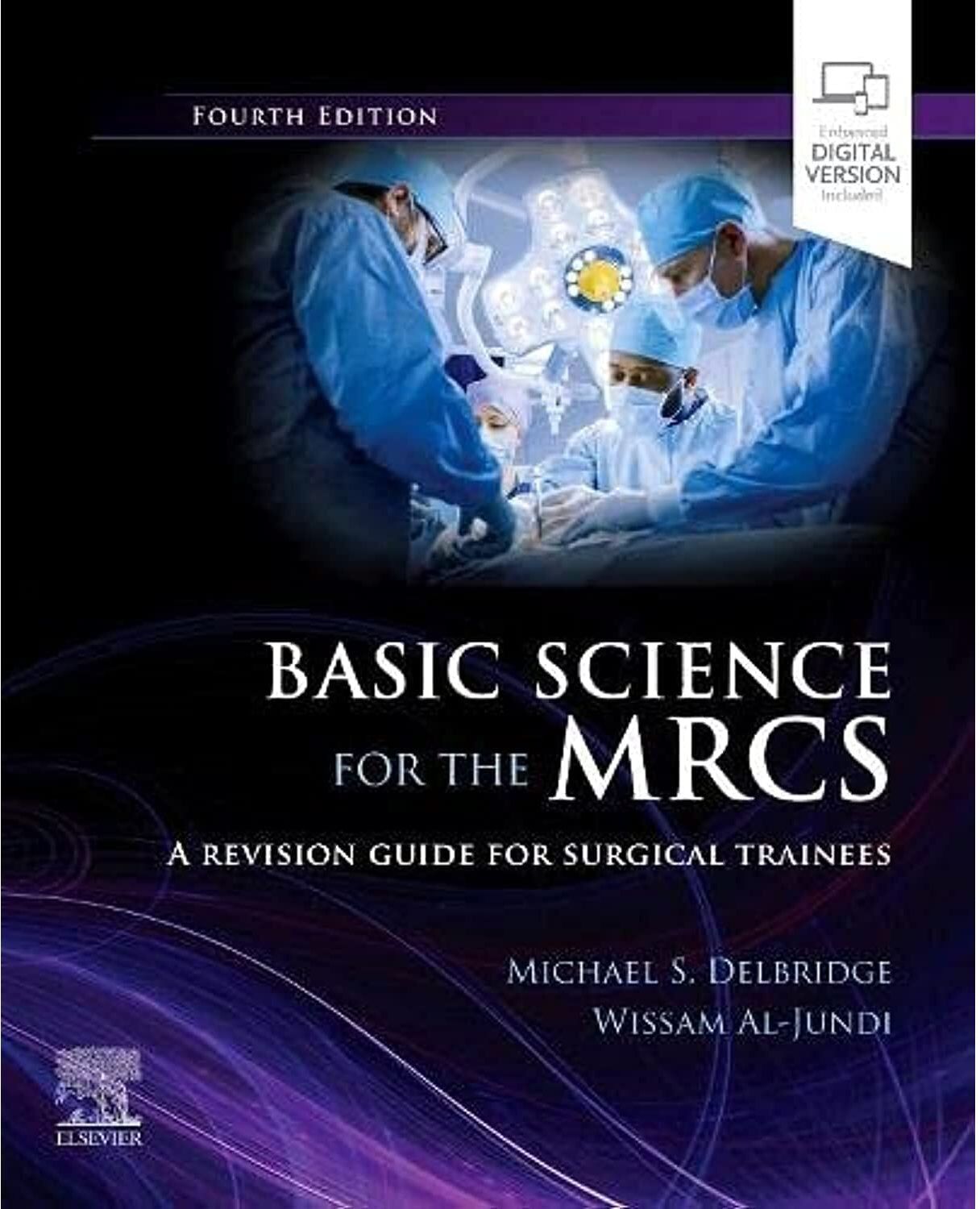
Elsevier Basic Science for the MRCS: A revision guide for surgical trainees (MRCS Study Guides)A concise revision guide to the core basic sciences for all surgical trainees preparing for Part A of the Intercollegiate MRCS examination. Covering the essential facts for anatomy, physiology and pathology, with indications of both their clinical relevance and importance. Focusing on the recurring examination themes for initial surgical training, this title is designed for the basic surgical trainee as well as proving useful for those in higher surgical training and for the surgically-inclined, well-motivated student. Covers the essentials of the basic sciences - anatomy, physiology and pathology - for the MRCS examination. Explains the application and clinical relevance of the three sciences. Bulleted text for easy reading and rapid exam preparation. Focused on the common themes of the examination. Clear annotated line drawings to aid learning. 250 new online single-best answer questions in the format of the MRCS Part A examination. Each answer will refer back to text for further reading as required. New OSCE 'Clinical scenarios' at the end of every chapter.33,99 £*Shipping: 2,99 £Secure redirect to the provider
-
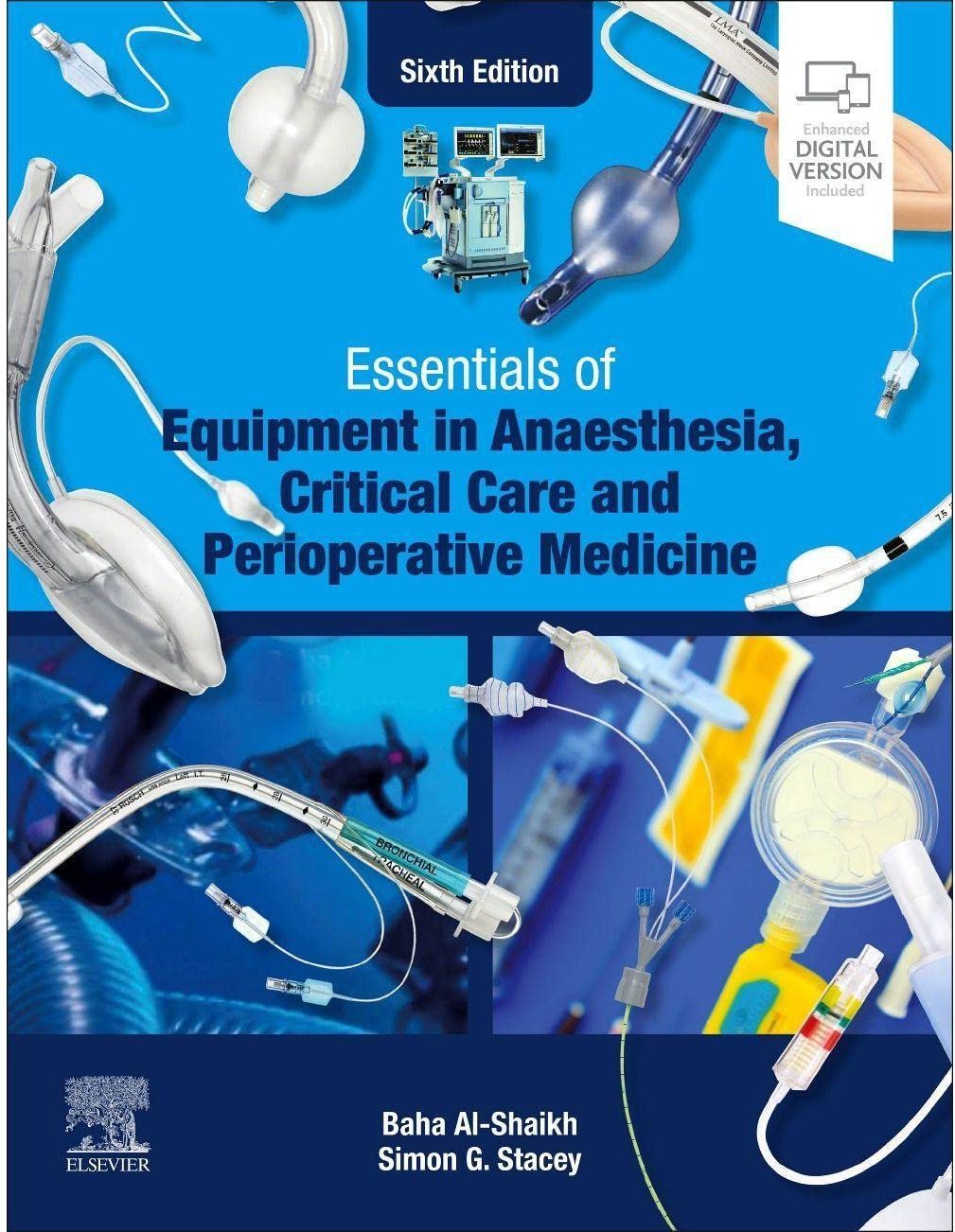
Elsevier Essentials of Equipment in Anaesthesia, Critical Care and Perioperative MedicineEasy to read and follow, Essentials of Equipment in Anaesthesia, Critical Care and Perioperative Medicine makes an otherwise dry subject digestible and easy to learn. This practical textbook comprehensively covers all the equipment used in the operating theatre and intensive care unit, including why it is used and any related safety concerns. It has been fully updated in its sixth edition to include new technologies introduced during the Covid-19 pandemic. This is ideal as the main text for all trainees undertaking the primary FRCA exams and is also suitable anyone who works with anaesthetic equipment, including anaesthetic and intensive care nurses and operating department practitioners. It features concise and consistent text and illustrations, self-assessment features, and exam tips. Portable, concise and simply formatted - a perfect practical companion Clear coloured images and illustrations bring the text to life Follows the Royal College of Anaesthetists postgraduate training and exam syllabus Summary boxes, more than 100 exam style questions, and OSCE stations and exam tips all aid the reader in exam revision Covers new equipment and fully updated relevant to current practice Suggested further reading fully updated New information on: Aladin Cassettes; Glostavent machine; CONTRAfluran system; videolaryngoscopy and high definition camera use in intubation and endoscopy; use of ultrasound in epidural; Penthrox; NRFit devices; Cell saver; ECMO38,99 £*Shipping: 0,00 £Secure redirect to the provider
-
Veronese Design 11.42 in H Napoleon Crossing the St. Bernard Pass Figurine Poly ResinVeronese Design recreates one of history's most iconic moments with this Napoleon equestrian statue capturing the legendary general crossing the St. Bernard Pass.83,99 $*Shipping: 0,00 $Secure redirect to the provider


-
What if the PSA value rises again?
If the PSA value rises again, it could indicate a progression of the prostate condition being monitored. It is important to consult with a healthcare provider to determine the underlying cause of the rising PSA levels and to discuss appropriate next steps, which may include further testing, treatment adjustments, or monitoring. It is crucial to address any changes in PSA levels promptly to ensure timely management of the prostate health. **
-
What is PSA in a first aid training?
PSA in first aid training stands for Primary Survey Assessment. It is a systematic approach used to quickly assess and address life-threatening conditions in a person who is injured or in need of medical attention. The primary survey includes checking for responsiveness, airway obstruction, breathing, and circulation. It is the first step in providing first aid and helps to prioritize the most critical interventions. **
-
Is PTSD common in foreign missions of the BPOL PSA?
PTSD (Post-Traumatic Stress Disorder) can be common in foreign missions of the BPOL PSA due to the nature of the work, which often involves exposure to traumatic events and high-stress situations. The constant exposure to danger, violence, and challenging environments can take a toll on the mental health of officers, increasing the risk of developing PTSD. It is important for the BPOL PSA to provide adequate support, resources, and mental health services to help officers cope with the challenges they may face during foreign missions. **
-
Is PTSD common in foreign deployments of the BPOL PSA?
PTSD, or Post-Traumatic Stress Disorder, can be common in foreign deployments of the BPOL PSA due to the nature of the work they are involved in, which can expose them to traumatic events and high-stress situations. The constant exposure to danger, violence, and witnessing distressing incidents can increase the risk of developing PTSD among BPOL PSA members deployed in foreign missions. It is crucial for the organization to provide adequate mental health support and resources to help prevent and address PTSD among its personnel deployed in foreign missions. **


When will the health insurance cover the cost of the PSA test?
Health insurance typically covers the cost of a PSA test when it is deemed medically necessary by a healthcare provider. This may include situations where a man has symptoms of prostate issues or a family history of prostate cancer. It is important to check with your insurance provider to understand their specific coverage policies and any requirements for the test to be covered. **
What is the question regarding the direct connection between PSA and GSG9?
The question regarding the direct connection between PSA (Polizei-Spezialeinsatzkommandos) and GSG9 (Grenzschutzgruppe 9) is whether these two specialized units within the German law enforcement system collaborate or share resources in any way. Both units are elite tactical police units with different areas of focus, with PSA primarily handling state-level crisis situations and GSG9 specializing in counter-terrorism and national security operations. Understanding the extent of their cooperation, joint training exercises, or information sharing could provide insights into how these units complement each other in ensuring public safety and security in Germany. **
Top-Angebote
Products related to Elsevier-Pass-the-PSA:
-
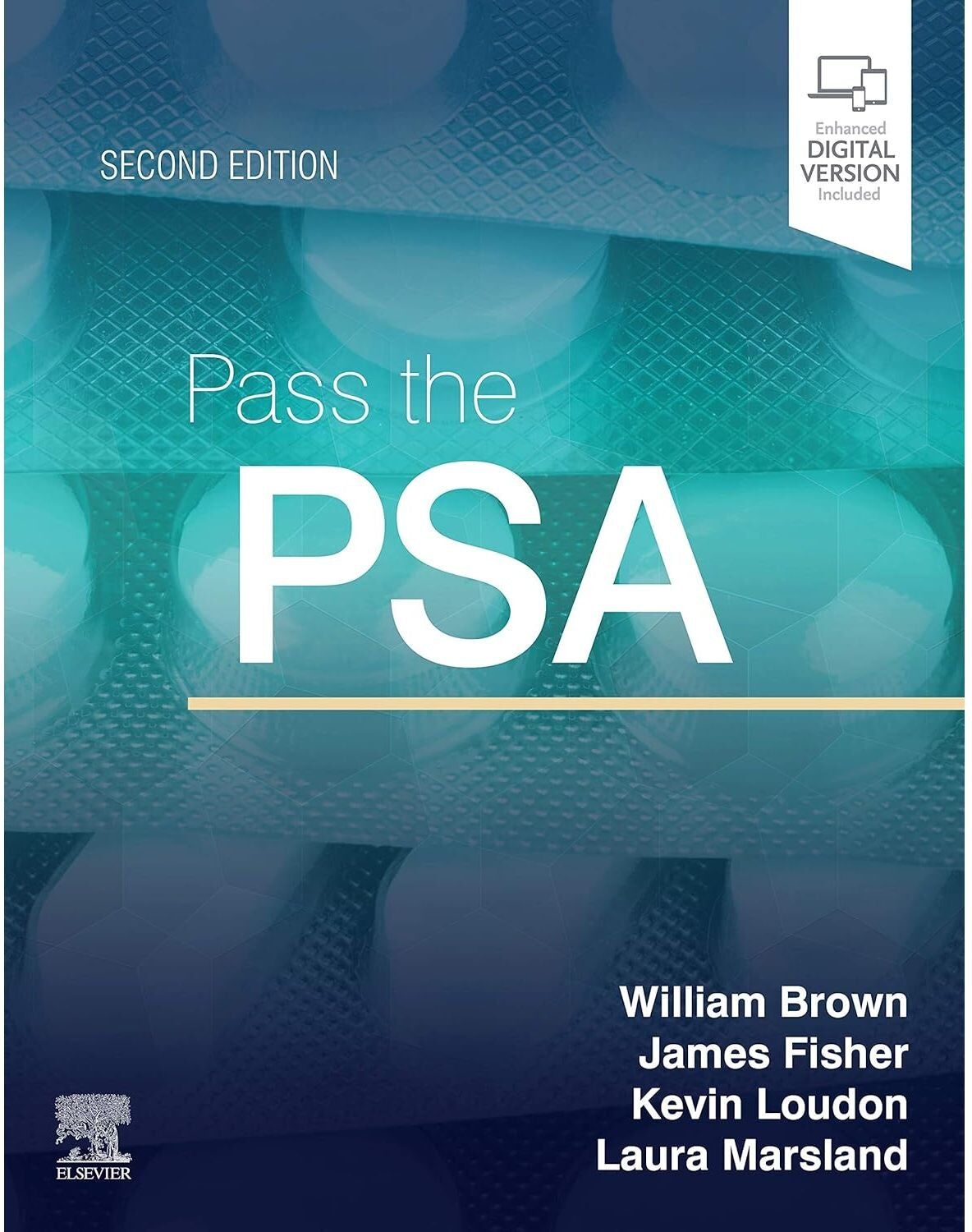
Elsevier Pass the PSAFully updated for its second edition, Pass the PSA is written specifically for the Prescribing Safety Assessment (PSA) exam, with one chapter dedicated to each PSA exam section. This latest edition: Introduces a simple, memorable and failsafe approach to prescribing (the 'PReSCRIBER' mnemonic) Specifies the universal basic principles of prescribing for all sections Examines each section's question structure and how to approach it questions (structured identically to the exam) that conclude each chapter Covers all scenarios suggested for questioning in the PSA blueprint Highlights common traps throughout Contains two mock exams Includes finals-level sections on data interpretation and management28,95 £*Shipping: 2,99 £Secure redirect to the provider
-
Elsevier The ECG Made EasyFor over forty years The ECG Made Easy has been regarded as the best introductory guide to the ECG, with sales of over half a million copies as well as being translated into more than a dozen languages. Hailed by the British Medical Journal as a "medical classic", it has been a favourite of generations of medical and health care staff who require clear, basic knowledge about the ECG. This famous book encourages the reader to accept that the ECG is easy to understand and that its use is just a natural extension of taking the patient's history and performing a physical examination. It directs users of the electrocardiogram to straightforward and accurate identification of normal and abnormal ECG patterns. A practical and highly informative guide to a difficult subject. Provides a full understanding of the ECG in the diagnosis and management of abnormal cardiac rhythms. Emphasises the role of the full 12 lead ECG with realistic reproduction of recordings. The unique page size allows presentation of 12-lead ECGs across a single page for clarity.12,99 £*Shipping: 2,99 £Secure redirect to the provider
-
Elsevier Children in Intensive Care: A Survival GuideWritten in a friendly, no-nonsense, style, Children in Intensive Care is a quick reference guide to the management of the acutely ill child in the hospital, or pre-hospital, setting. Fully updated throughout and rich with useful 'Alert' boxes and tables - to make learning and reference easy - this handy publication covers a broad range of essential topics such as drug dosages and compatibilities and normal reference ranges as well as harder to find information such as chest X-ray interpretation and troubleshooting technical equipment. Compiled from daily 'on the job' collation of useful facts and figures, this manual also offers practical advice about important non-acute issues such as infection control, common childhood diseases and child protection as well as new findings on the management of sepsis, the collapsed child and care of the child following spinal surgery. With over 10,000 copies sold, this book is an absolute must for any clinician involved with the management of critically ill children, whether it be on the wards, in theatres, high-dependency or intensive care units, as well as during retrieval and in A&E. Information presented in quick reference format, with accompanying reference tables, to facilitate on-the-spot usage Advanced Life Support Group algorithms provide safe and easy-to-follow protocols to the management of emergency situations Contains input from a broad range of paediatric specialists - intensivists, anaesthetists, haematologists, oncologists, air ambulance physicians and retrieval nurses, pharmacists, specialist dieticians, and respiratory physiotherapists - to ensure full coverage and accuracy of information Contains helpful 'Quick Guide' and 'Warning' boxes to provide key information at a glance, while helpful mnemonics assist with learning Contains chapters on normal child development, safe-guarding children and young people, and patient transport Perfect for use on the wards, theatres, high-dependency units and intensive care units as well as during retrieval and A&E Ideal for newcomers and experienced staff alike, whether they be junior doctors or nursing staff Additional authorship brings the expertise of Marilyn McDougall, a Senior Paediatric Intensive Care Consultant Contains brand new chapters - oncology emergencies and pain & sedation - as well as the latest information on topics including sepsis and the collapsed neonate, and care of children after spinal surgery Comprehensively expanded cardiac chapter presents new surgical approaches as well as practical tips on pacing, care of chest drains and basic echocardiograph terminology Drug chapter now includes reversal agents, new drug profiles and an updated compatibilities chart Expanded artwork program explains clinical concepts and practical procedures22,95 £*Shipping: 2,99 £Secure redirect to the provider
-
Elsevier Basic Science for the MRCS: A revision guide for surgical trainees (MRCS Study Guides)A concise revision guide to the core basic sciences for all surgical trainees preparing for Part A of the Intercollegiate MRCS examination. Covering the essential facts for anatomy, physiology and pathology, with indications of both their clinical relevance and importance. Focusing on the recurring examination themes for initial surgical training, this title is designed for the basic surgical trainee as well as proving useful for those in higher surgical training and for the surgically-inclined, well-motivated student. Covers the essentials of the basic sciences - anatomy, physiology and pathology - for the MRCS examination. Explains the application and clinical relevance of the three sciences. Bulleted text for easy reading and rapid exam preparation. Focused on the common themes of the examination. Clear annotated line drawings to aid learning. 250 new online single-best answer questions in the format of the MRCS Part A examination. Each answer will refer back to text for further reading as required. New OSCE 'Clinical scenarios' at the end of every chapter.33,99 £*Shipping: 2,99 £Secure redirect to the provider
-
What is the PSA level?
The PSA level, or prostate-specific antigen level, is a blood test used to screen for prostate cancer and to monitor the progression of the disease in men who have been diagnosed with prostate cancer. PSA is a protein produced by the prostate gland, and elevated levels of PSA in the blood can indicate the presence of prostate cancer or other prostate conditions. However, it is important to note that an elevated PSA level does not necessarily mean that a man has prostate cancer, and further testing is usually needed to confirm a diagnosis. **
-
Is the Skiploom really PSA 10?
Without seeing the Skiploom in question, it is difficult to definitively say whether it is truly a PSA 10. However, PSA 10 is the highest grade a card can receive from the Professional Sports Authenticator, indicating that the card is in pristine condition with no visible flaws. To determine if the Skiploom is truly a PSA 10, it would be necessary to carefully examine the card for any imperfections and compare it to the grading standards set by PSA. **
-
What if the PSA value rises again?
If the PSA value rises again, it could indicate a progression of the prostate condition being monitored. It is important to consult with a healthcare provider to determine the underlying cause of the rising PSA levels and to discuss appropriate next steps, which may include further testing, treatment adjustments, or monitoring. It is crucial to address any changes in PSA levels promptly to ensure timely management of the prostate health. **
-
What is PSA in a first aid training?
PSA in first aid training stands for Primary Survey Assessment. It is a systematic approach used to quickly assess and address life-threatening conditions in a person who is injured or in need of medical attention. The primary survey includes checking for responsiveness, airway obstruction, breathing, and circulation. It is the first step in providing first aid and helps to prioritize the most critical interventions. **
Similar search terms for Elsevier-Pass-the-PSA
-
Elsevier Essentials of Equipment in Anaesthesia, Critical Care and Perioperative MedicineEasy to read and follow, Essentials of Equipment in Anaesthesia, Critical Care and Perioperative Medicine makes an otherwise dry subject digestible and easy to learn. This practical textbook comprehensively covers all the equipment used in the operating theatre and intensive care unit, including why it is used and any related safety concerns. It has been fully updated in its sixth edition to include new technologies introduced during the Covid-19 pandemic. This is ideal as the main text for all trainees undertaking the primary FRCA exams and is also suitable anyone who works with anaesthetic equipment, including anaesthetic and intensive care nurses and operating department practitioners. It features concise and consistent text and illustrations, self-assessment features, and exam tips. Portable, concise and simply formatted - a perfect practical companion Clear coloured images and illustrations bring the text to life Follows the Royal College of Anaesthetists postgraduate training and exam syllabus Summary boxes, more than 100 exam style questions, and OSCE stations and exam tips all aid the reader in exam revision Covers new equipment and fully updated relevant to current practice Suggested further reading fully updated New information on: Aladin Cassettes; Glostavent machine; CONTRAfluran system; videolaryngoscopy and high definition camera use in intubation and endoscopy; use of ultrasound in epidural; Penthrox; NRFit devices; Cell saver; ECMO38,99 £*Shipping: 0,00 £Secure redirect to the provider
-
Veronese Design 11.42 in H Napoleon Crossing the St. Bernard Pass Figurine Poly ResinVeronese Design recreates one of history's most iconic moments with this Napoleon equestrian statue capturing the legendary general crossing the St. Bernard Pass.83,99 $*Shipping: 0,00 $Secure redirect to the provider
-
Is PTSD common in foreign missions of the BPOL PSA?
PTSD (Post-Traumatic Stress Disorder) can be common in foreign missions of the BPOL PSA due to the nature of the work, which often involves exposure to traumatic events and high-stress situations. The constant exposure to danger, violence, and challenging environments can take a toll on the mental health of officers, increasing the risk of developing PTSD. It is important for the BPOL PSA to provide adequate support, resources, and mental health services to help officers cope with the challenges they may face during foreign missions. **
-
Is PTSD common in foreign deployments of the BPOL PSA?
PTSD, or Post-Traumatic Stress Disorder, can be common in foreign deployments of the BPOL PSA due to the nature of the work they are involved in, which can expose them to traumatic events and high-stress situations. The constant exposure to danger, violence, and witnessing distressing incidents can increase the risk of developing PTSD among BPOL PSA members deployed in foreign missions. It is crucial for the organization to provide adequate mental health support and resources to help prevent and address PTSD among its personnel deployed in foreign missions. **
-
When will the health insurance cover the cost of the PSA test?
Health insurance typically covers the cost of a PSA test when it is deemed medically necessary by a healthcare provider. This may include situations where a man has symptoms of prostate issues or a family history of prostate cancer. It is important to check with your insurance provider to understand their specific coverage policies and any requirements for the test to be covered. **
-
What is the question regarding the direct connection between PSA and GSG9?
The question regarding the direct connection between PSA (Polizei-Spezialeinsatzkommandos) and GSG9 (Grenzschutzgruppe 9) is whether these two specialized units within the German law enforcement system collaborate or share resources in any way. Both units are elite tactical police units with different areas of focus, with PSA primarily handling state-level crisis situations and GSG9 specializing in counter-terrorism and national security operations. Understanding the extent of their cooperation, joint training exercises, or information sharing could provide insights into how these units complement each other in ensuring public safety and security in Germany. **
* All prices are inclusive of VAT and, if applicable, plus shipping costs. The offer information is based on the details provided by the respective shop and is updated through automated processes. Real-time updates do not occur, so deviations can occur in individual cases. ** Note: Parts of this content were created by AI.