Buy visitinghomecareservices.eu ?
We are moving the project
visitinghomecareservices.eu .
Are you interested in purchasing the domain
visitinghomecareservices.eu ?
domain@kv-gmbh.de · 0541-91531010
Buy visitinghomecareservices.eu ?
Is every indicator suitable as a universal indicator?
Not every indicator is suitable as a universal indicator. Universal indicators are designed to give a broad range of colors across the entire pH scale, allowing for easy and accurate pH determination. Some indicators may only change color within a narrow pH range, making them unsuitable for universal use. Additionally, some indicators may not provide distinct or easily distinguishable color changes, which can make them less effective for general pH testing. Therefore, it is important to select an indicator that is specifically designed to be a universal indicator for accurate and reliable pH measurements. **
What is the difference between a universal indicator and an indicator?
An indicator is a substance that changes color in response to a change in pH levels, indicating the acidity or alkalinity of a solution. A universal indicator is a type of indicator that can display a full range of colors across the pH scale, making it more versatile and able to provide a more precise indication of the pH of a solution compared to a regular indicator. Universal indicators are typically a mixture of several different indicators, allowing them to cover a wider pH range. **


Similar search terms for QUINTON-HAZELL-XFL109-Indicator
Top-Angebote
Products related to QUINTON-HAZELL-XFL109-Indicator:
-
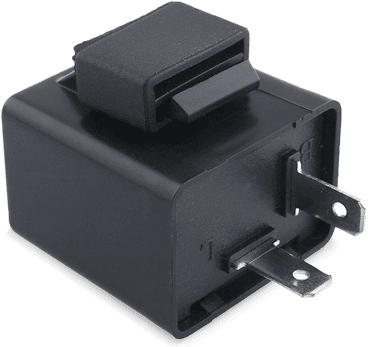
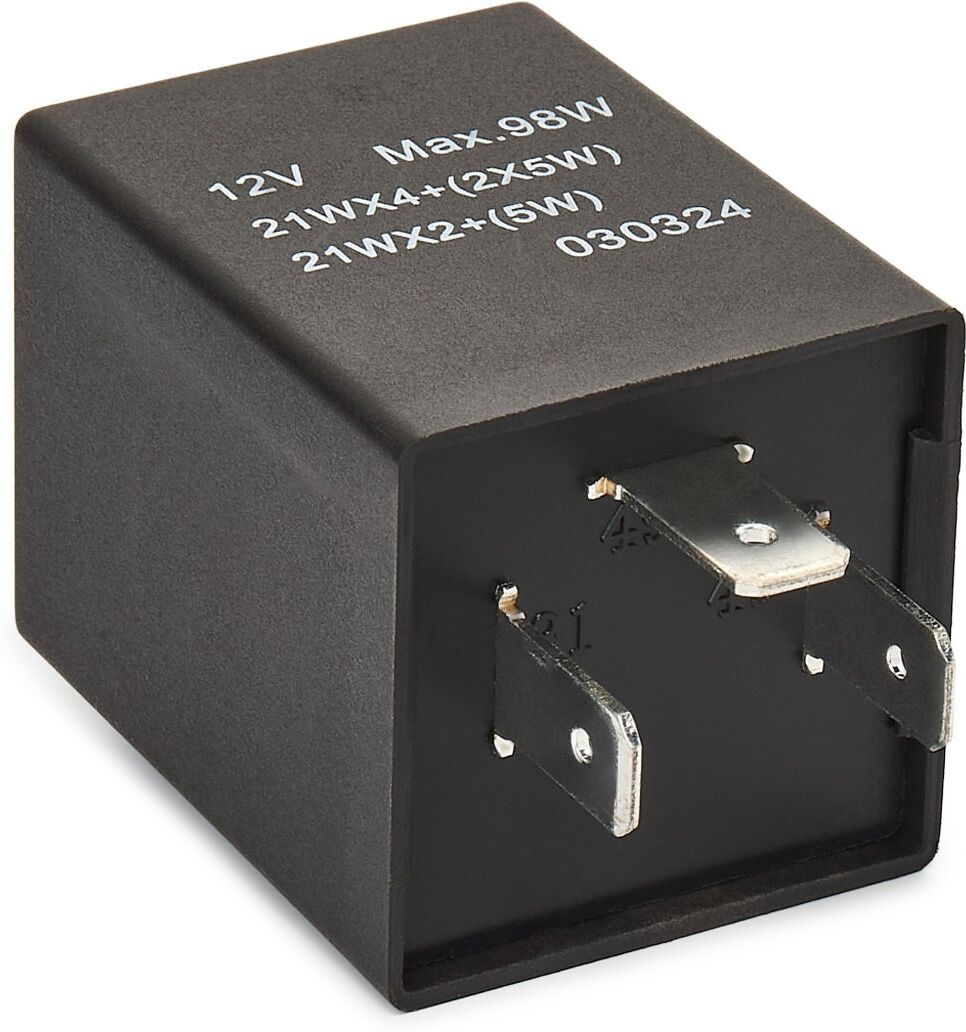
QUINTON HAZELL XFL100 Indicator relayVoltage [V]: 12; Length [mm]: 39; Width [mm]: 61; Height: 39; Number of pins: 2; Mounting Type: Plugged; Relay function: Indicator; Operating Mode: Electric; Construction Year from: 09/1976, 09/1967, 09/1971, 09/1969, 09/1972, 08/1976, 09/1970, 10/1964; Construction Year to: 09/1970, 08/1990, 08/1983, 04/1982, 09/1982, 09/1975, 08/1975, 09/1989, 08/19845,99 £*Shipping: 8,45 £Secure redirect to the provider
-
QUINTON HAZELL XFL102 Indicator relayVoltage [V]: 12; Length [mm]: 39; Width [mm]: 61; Height: 39; Number of pins: 3; Mounting Type: Plugged; Operating Mode: Electric; Current Strength [A]: 92; Construction Year to: 08/1982, 08/1992, 04/2000, 12/1981, 12/1985, 10/2001, 12/1989, 02/2005, 09/1988, 08/2000; Construction Year from: 09/1977, 10/1988, 05/1995, 01/1960, 09/1970, 09/1989, 09/1973, 12/1988, 09/1990, 09/1983, 05/1982, 10/1982, 07/1995, 11/1986, 03/1977, 10/1989, 08/1988, 09/1969, 09/1984, 09/199512,49 £*Shipping: 8,45 £Secure redirect to the provider
-
QUINTON HAZELL XFL104 Indicator relayVoltage [V]: 12; Length [mm]: 39; Width [mm]: 61; Height: 39; Number of pins: 3; Mounting Type: Plugged; Operating Mode: Electric; Current Strength [A]: 92; Construction Year to: 12/1987, 06/1995, 04/1993, 12/1990, 11/199914,49 £*Shipping: 8,45 £Secure redirect to the provider
-
QUINTON HAZELL XFL106 Indicator relayVoltage [V]: 12; Length [mm]: 39; Width [mm]: 61; Height: 39; Number of pins: 4; Mounting Type: Plugged; Operating Mode: Electric; Technical Information Number: for towing; Construction Year from: 10/198915,49 £*Shipping: 8,45 £Secure redirect to the provider


-
What are indicator words?
Indicator words are words or phrases that signal to the reader the relationship between different ideas in a text. They help to show the connection between sentences or paragraphs, indicating whether an idea is being contrasted, compared, or expanded upon. Examples of indicator words include "however," "in addition," "on the other hand," and "therefore." By using indicator words, writers can make their writing more coherent and easier to follow for the reader. **
-
What are indicator functions?
Indicator functions, also known as characteristic functions, are mathematical functions that take on the value of 1 if a certain condition is true, and 0 otherwise. They are commonly used in mathematics and statistics to represent whether a specific event or property is present. Indicator functions are useful for simplifying complex expressions and making calculations more manageable by converting logical conditions into numerical values. **
-
What are indicator dyes?
Indicator dyes are substances that change color in response to specific chemical conditions such as pH, presence of certain ions, or redox potential. They are often used in laboratory experiments and industrial processes to visually indicate the presence or absence of certain chemical reactions or conditions. Indicator dyes are valuable tools for qualitative analysis and are commonly used in titrations and other chemical tests to determine the endpoint of a reaction. **
-
What is an indicator in chemistry?
In chemistry, an indicator is a substance that changes color in response to a change in the conditions of a solution. Indicators are often used to determine the pH of a solution, as they can change color at specific pH levels. They are commonly used in titrations to visually signal the endpoint of a reaction. Indicators can be synthetic or natural compounds, and their color change is due to a change in the chemical structure of the indicator molecule. **

What is an indicator in geography?
In geography, an indicator is a specific piece of information or data that is used to measure or represent a particular aspect of the environment or society. These indicators help geographers analyze and understand various phenomena such as population growth, economic development, climate change, or environmental degradation. Indicators can be quantitative, such as population density or GDP per capita, or qualitative, such as land use patterns or cultural practices. By tracking and interpreting these indicators, geographers can identify trends, patterns, and relationships that inform decision-making and policy development. **
What is the difference between a universal indicator and a normal indicator?
A normal indicator is a substance that changes color in response to a change in the acidity or alkalinity of a solution. It typically changes to one specific color at a specific pH level. A universal indicator, on the other hand, is a mixture of several different indicators that changes color over a wide range of pH levels. This allows it to provide a more comprehensive and accurate indication of the pH of a solution. Universal indicators are often used in scientific experiments and in laboratory settings where precise pH measurements are needed. **
Top-Angebote
Products related to QUINTON-HAZELL-XFL109-Indicator:
-
QUINTON HAZELL XFL101 Indicator relayVoltage [V]: 12; Length [mm]: 39; Width [mm]: 61; Height: 39; Number of pins: 2; Mounting Type: Plugged; Operating Mode: Electric; Technical Information Number: For hazard lights; Construction Year from: 09/1976, 09/1967, 09/1971, 09/1969, 09/1972, 08/1976, 09/1970, 10/1964; Construction Year to: 09/1970, 08/1990, 08/1983, 04/1982, 09/1982, 09/1975, 08/1975, 09/1989, 08/19845,99 £*Shipping: 8,45 £Secure redirect to the provider
-
QUINTON HAZELL XFL100 Indicator relayVoltage [V]: 12; Length [mm]: 39; Width [mm]: 61; Height: 39; Number of pins: 2; Mounting Type: Plugged; Relay function: Indicator; Operating Mode: Electric; Construction Year from: 09/1976, 09/1967, 09/1971, 09/1969, 09/1972, 08/1976, 09/1970, 10/1964; Construction Year to: 09/1970, 08/1990, 08/1983, 04/1982, 09/1982, 09/1975, 08/1975, 09/1989, 08/19845,99 £*Shipping: 8,45 £Secure redirect to the provider
-
QUINTON HAZELL XFL102 Indicator relayVoltage [V]: 12; Length [mm]: 39; Width [mm]: 61; Height: 39; Number of pins: 3; Mounting Type: Plugged; Operating Mode: Electric; Current Strength [A]: 92; Construction Year to: 08/1982, 08/1992, 04/2000, 12/1981, 12/1985, 10/2001, 12/1989, 02/2005, 09/1988, 08/2000; Construction Year from: 09/1977, 10/1988, 05/1995, 01/1960, 09/1970, 09/1989, 09/1973, 12/1988, 09/1990, 09/1983, 05/1982, 10/1982, 07/1995, 11/1986, 03/1977, 10/1989, 08/1988, 09/1969, 09/1984, 09/199512,49 £*Shipping: 8,45 £Secure redirect to the provider
-
Is every indicator suitable as a universal indicator?
Not every indicator is suitable as a universal indicator. Universal indicators are designed to give a broad range of colors across the entire pH scale, allowing for easy and accurate pH determination. Some indicators may only change color within a narrow pH range, making them unsuitable for universal use. Additionally, some indicators may not provide distinct or easily distinguishable color changes, which can make them less effective for general pH testing. Therefore, it is important to select an indicator that is specifically designed to be a universal indicator for accurate and reliable pH measurements. **
-
What is the difference between a universal indicator and an indicator?
An indicator is a substance that changes color in response to a change in pH levels, indicating the acidity or alkalinity of a solution. A universal indicator is a type of indicator that can display a full range of colors across the pH scale, making it more versatile and able to provide a more precise indication of the pH of a solution compared to a regular indicator. Universal indicators are typically a mixture of several different indicators, allowing them to cover a wider pH range. **
-
What are indicator words?
Indicator words are words or phrases that signal to the reader the relationship between different ideas in a text. They help to show the connection between sentences or paragraphs, indicating whether an idea is being contrasted, compared, or expanded upon. Examples of indicator words include "however," "in addition," "on the other hand," and "therefore." By using indicator words, writers can make their writing more coherent and easier to follow for the reader. **
-
What are indicator functions?
Indicator functions, also known as characteristic functions, are mathematical functions that take on the value of 1 if a certain condition is true, and 0 otherwise. They are commonly used in mathematics and statistics to represent whether a specific event or property is present. Indicator functions are useful for simplifying complex expressions and making calculations more manageable by converting logical conditions into numerical values. **
Similar search terms for QUINTON-HAZELL-XFL109-Indicator
-
QUINTON HAZELL XFL104 Indicator relayVoltage [V]: 12; Length [mm]: 39; Width [mm]: 61; Height: 39; Number of pins: 3; Mounting Type: Plugged; Operating Mode: Electric; Current Strength [A]: 92; Construction Year to: 12/1987, 06/1995, 04/1993, 12/1990, 11/199914,49 £*Shipping: 8,45 £Secure redirect to the provider
-
QUINTON HAZELL XFL106 Indicator relayVoltage [V]: 12; Length [mm]: 39; Width [mm]: 61; Height: 39; Number of pins: 4; Mounting Type: Plugged; Operating Mode: Electric; Technical Information Number: for towing; Construction Year from: 10/198915,49 £*Shipping: 8,45 £Secure redirect to the provider
-
QUINTON HAZELL XFL107 Indicator relayVoltage [V]: 12; Supplementary Article / Supplementary Info Info 2: with clip; Length [mm]: 39; Width [mm]: 61; Height: 39; Number of pins: 5; Operating Mode: Electric; Technical Information Number: for towing9,99 £*Shipping: 8,45 £Secure redirect to the provider
-
QUINTON HAZELL XFL115 Indicator relayVoltage [V]: 12; Length [mm]: 39; Width [mm]: 61; Height: 39; Number of pins: 3; Mounting Type: Plugged; Operating Mode: Electric; Current Strength [A]: 92; Construction Year from: 06/1991, 09/1991, 09/1990, 06/1997, 01/1990; Construction Year to: 12/199311,49 £*Shipping: 8,45 £Secure redirect to the provider
-
What are indicator dyes?
Indicator dyes are substances that change color in response to specific chemical conditions such as pH, presence of certain ions, or redox potential. They are often used in laboratory experiments and industrial processes to visually indicate the presence or absence of certain chemical reactions or conditions. Indicator dyes are valuable tools for qualitative analysis and are commonly used in titrations and other chemical tests to determine the endpoint of a reaction. **
-
What is an indicator in chemistry?
In chemistry, an indicator is a substance that changes color in response to a change in the conditions of a solution. Indicators are often used to determine the pH of a solution, as they can change color at specific pH levels. They are commonly used in titrations to visually signal the endpoint of a reaction. Indicators can be synthetic or natural compounds, and their color change is due to a change in the chemical structure of the indicator molecule. **
-
What is an indicator in geography?
In geography, an indicator is a specific piece of information or data that is used to measure or represent a particular aspect of the environment or society. These indicators help geographers analyze and understand various phenomena such as population growth, economic development, climate change, or environmental degradation. Indicators can be quantitative, such as population density or GDP per capita, or qualitative, such as land use patterns or cultural practices. By tracking and interpreting these indicators, geographers can identify trends, patterns, and relationships that inform decision-making and policy development. **
-
What is the difference between a universal indicator and a normal indicator?
A normal indicator is a substance that changes color in response to a change in the acidity or alkalinity of a solution. It typically changes to one specific color at a specific pH level. A universal indicator, on the other hand, is a mixture of several different indicators that changes color over a wide range of pH levels. This allows it to provide a more comprehensive and accurate indication of the pH of a solution. Universal indicators are often used in scientific experiments and in laboratory settings where precise pH measurements are needed. **
* All prices are inclusive of VAT and, if applicable, plus shipping costs. The offer information is based on the details provided by the respective shop and is updated through automated processes. Real-time updates do not occur, so deviations can occur in individual cases. ** Note: Parts of this content were created by AI.