Buy visitinghomecareservices.eu ?
We are moving the project
visitinghomecareservices.eu .
Are you interested in purchasing the domain
visitinghomecareservices.eu ?
domain@kv-gmbh.de · 0541-91531010
Buy visitinghomecareservices.eu ?
Which books are similar to The Tattooist of Auschwitz?
Some books that are similar to The Tattooist of Auschwitz include "The Nightingale" by Kristin Hannah, which also tells a story of survival and resilience during World War II, and "All the Light We Cannot See" by Anthony Doerr, which follows the lives of a blind French girl and a German boy whose paths eventually cross during the war. Another similar book is "The Book Thief" by Markus Zusak, which is a powerful story about a young girl living in Nazi Germany. These books all explore the human experience during the war and the strength of the human spirit in the face of adversity. **
What happened in the gas chamber of Auschwitz?
In the gas chambers of Auschwitz, thousands of people, mainly Jews, were systematically murdered using the deadly gas Zyklon B. Victims were forced into the chambers under the false pretense of taking a shower, and once inside, the doors were sealed and the gas was released. The victims would then suffer a painful and agonizing death from the poison gas. This method of mass murder was a key part of the Nazi regime's systematic genocide during the Holocaust. **


Similar search terms for The-Tattooist-of-Auschwitz
Top-Angebote
Products related to The-Tattooist-of-Auschwitz:
-
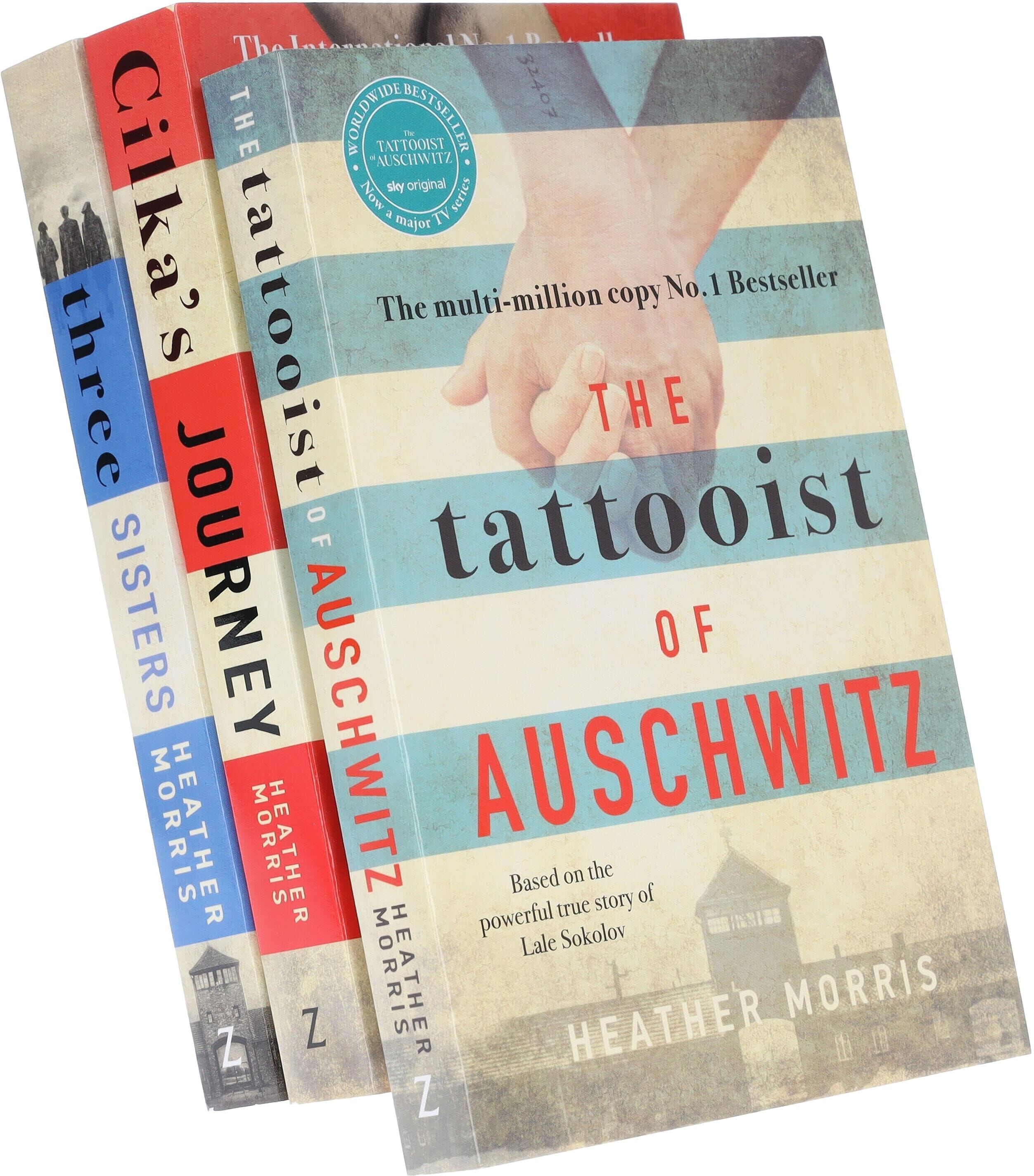
The Tattooist of Auschwitz By Heather Morris 3 Books Collection Set - Fiction - Paperback Bonnier Books LtdTitle in This Set: 1. The Tattooist of Auschwitz 2. Cilka's Journey 3. Three Sisters Description: The Tattooist of Auschwitz In 1942, Lale Sokolov arrived in Auschwitz-Birkenau. He was given the job of tattooing the prisoners marked for survival - scratching numbers into his fellow victims' arms in indelible ink to create what would become one of the most potent symbols of the Holocaust. Waiting in line to be tattooed, terrified and shaking, was a young girl. For Lale - a dandy, a jack-the-lad, a bit of a chancer - it was love at first sight. And he was determined not only to survive himself, but to ensure this woman, Gita, did, too. So begins one of the most life-affirming, courageous, unforgettable and human stories of the Holocaust: the love story of the tattooist of Auschwitz. Cilka's Journey In 1942 Cilka Klein is just sixteen years old when she is taken to Auschwitz-Birkenau Concentration Camp. The Commandant at Birkenau, Schwarzhuber, notices her long beautiful hair, and forces her separation from the other women prisoners. Cilka learns quickly that power, even unwillingly given, equals survival. After liberation, Cilka is charged as a collaborator by the Russians and sent to a desolate, brutal prison camp in Siberia known as Vorkuta, inside the Arctic Circle. Innocent, imprisoned once again, Cilka faces challenges both new and horribly familiar, each day a battle for survival. Cilka befriends a woman doctor, and learns to nurse the ill in the camp, struggling to care for them under unimaginable conditions. And when she tends to a man called Alexandr, Cilka finds that despite everything, there is room in her heart for love. Three Sisters When they are little girls, Cibi, Magda and Livia make a promise to their father - that they will stay together, no matter what. Years later, at just 15, Livia is ordered to Auschwitz by the Nazis. Cibi, only 19 herself, remembers their promise and follows Livia, determined to protect her sister, or die with her. Together, they fight to survive through unimaginable cruelty and hardship. Magda, only 17, stays with her mother and grandfather, hiding out in a neighbour's attic or in the forest when the Nazi militia come to round up friends, neighbours and family. She escapes for a time, but eventually she too is captured and transported to the death camp. In Auschwitz-Birkenau the three sisters are reunited and, remembering their father, they make a new promise, this time to each other: That they will survive.12,99 £*Shipping: 2,99 £Secure redirect to the provider
-
Zaffre/Pan Lily's Promise by Lily Ebert and The Tattooist of Auschwitz Series by Heather Morris 4 Books SetLily's Promise by Lily Ebert and The Tattooist of Auschwitz Series by Heather Morris 4 Books Set Lily's Promise: How I Survived Auschwitz and Found the Strength to Live by Lily Ebert When Holocaust survivor Lily Ebert was liberated in 1945, a Jewish-American soldier gave her a banknote on which he’d written ‘Good luck and happiness’. Many decades later her great-grandson, Dov, decided to use social media to track down the family of the GI – and 96-year-old Lily found herself making headlines round the world. Lily had promised herself that if she survived Auschwitz, she would tell everyone the truth about the camp. Now was her chance. In Lily’s Promise she writes movingly about her happy childhood in Hungary, the death of her mother and two youngest siblings on their arrival at Auschwitz in 1944 and her determination to keep her two other sisters safe. She describes the inhumanity of the camp and the small acts of defiance that gave her strength. From there she and her sisters became slave labour in a munitions factory, and then faced a death march that they barely survived. Three Sisters by Heather Morris When they are little girls, Cibi, Magda and Livia make a promise to their father - that they will stay together, no matter what. Years later, at just 15, Livia is ordered to Auschwitz by the Nazis. Cibi, only 19 herself, remembers their promise and follows Livia, determined to protect her sister, or die with her. Together, they fight to survive through unimaginable cruelty and hardship. The Tattooist of Auschwitz by Heather Morris In 1942, Lale Sokolov arrived in Auschwitz-Birkenau. He was given the job of tattooing the prisoners marked for survival - scratching numbers into his fellow victims' arms in indelible ink to create what would become one of the most potent symbols of the Holocaust. Waiting in line to be tattooed, terrified and shaking, was a young girl. For Lale - a dandy, a jack-the-lad, a bit of a chancer - it was love at first sight. And he was determined not only to survive himself, but to ensure this woman, Gita, did, too. Cilka's Journey by Heather Morris In 1942 Cilka Klein is just sixteen years old when she is taken to Auschwitz-Birkenau Concentration Camp. The Commandant at Birkenau, Schwarzhuber, notices her long beautiful hair, and forces her separation from the other women prisoners. Cilka learns quickly that power, even unwillingly given, equals survival. After liberation, Cilka is charged as a collaborator by the Russians and sent to a desolate, brutal prison camp in Siberia known as Vorkuta, inside the Arctic Circle.12,99 £*Shipping: 2,99 £Secure redirect to the provider
-
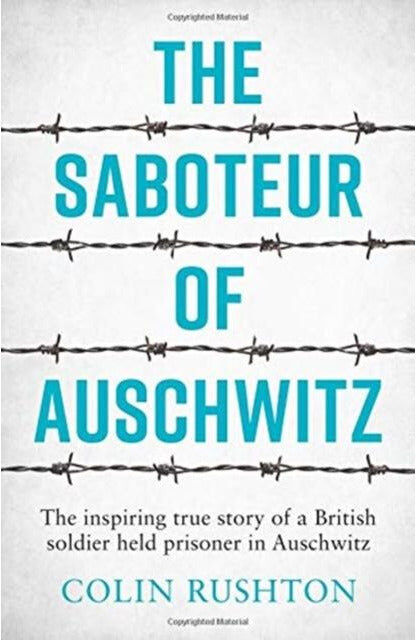
Summersdale Publishers The Saboteur of Auschwitz : The Inspiring True Story of a British Soldier Held Prisoner in Auschwitz by Colin RushtonFor fans of The Tattooist of Auschwitz, The Librarian of Auschwitz and The Choice, this is the incredible true story of a British soldier POW. In 1942, young British soldier Arthur Dodd was taken prisoner by the German Army and transported to Oswiecim in Polish Upper Silesia. The Germans gave it another name, now synonymous with mankind's darkest hours. They called it Auschwitz. Forced to do hard labour, starved and savagely beaten, Arthur thought his life would end in Auschwitz. Determined to go down fighting, he sabotaged Nazi industrial work, risked his life to alleviate the suffering of the Jewish prisoners and aided a partisan group planning a mass break-out. This shocking true story sheds new light on the operations at the camp, exposes a hierarchy of prisoner treatment by the SS and presents the largely unknown story of the military POWs held there.3,99 £*Shipping: 1,99 £Secure redirect to the provider
-
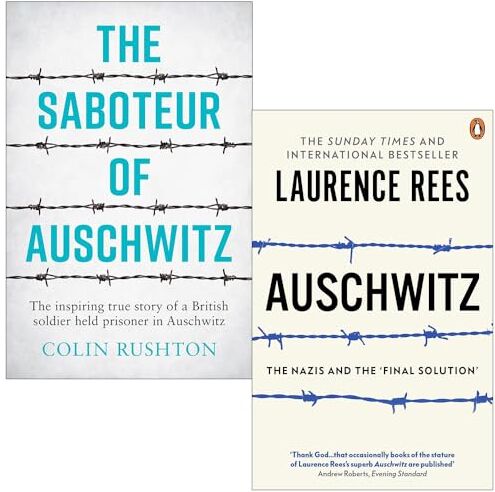
Summersdale/BBC Books ltd The Saboteur of Auschwitz and Auschwitz 2 Books set by Colin Rushton and Laurence ReesThe Saboteur of Auschwitz By Colin Rushton and Auschwitz By Laurence Rees 2 Books Collection Set The Saboteur of Auschwitz For fans of The Tattooist of Auschwitz, The Librarian of Auschwitz and The Choice, this is the incredible true story of a British soldier POW. In 1942, young British soldier Arthur Dodd was taken prisoner by the German Army and transported to Oswiecim in Polish Upper Silesia. The Germans gave it another name, now synonymous with mankind's darkest hours. They called it Auschwitz. Forced to do hard labour, starved and savagely beaten, Arthur thought his life would end in Auschwitz. Determined to go down fighting, he sabotaged Nazi industrial work, risked his life to alleviate the suffering of the Jewish prisoners and aided a partisan group planning a mass break-out. This shocking true story sheds new light on the operations at the camp, exposes a hierarchy of prisoner treatment by the SS and presents the largely unknown story of the military POWs held there. Auschwitz: The Nazis and The 'Final Solution' In this classic book, highly acclaimed author and broadcaster Laurence Rees tells the definitive history of the most notorious Nazi institution of them all. We discover how Auschwitz evolved from a concentration camp for Polish political prisoners into the site of the largest mass murder in history - part death camp, part concentration camp, where around a million Jews were killed. Auschwitz examines the mentality and motivations of the key Nazi decision makers, and perpetrators of appalling crimes speak here for the first time about their actions. Drawing on Rees's landmark documentary and material from the Russian archives, which challenged many previously accepted arguments, this book reveals significant and disturbing facts - from the operation of a brothel to the corruption that was rife throughout the camp. This is the story of murder, brutality, courage, escape and survival, and a powerful account of how human tragedy of such immense scale could have happened.10,99 £*Shipping: 2,99 £Secure redirect to the provider

-
What happened in Auschwitz?
Auschwitz was the largest and deadliest concentration camp established by the Nazis during World War II. It was located in German-occupied Poland and was the site of the systematic murder of over 1.1 million people, mostly Jews, as well as Poles, Romani people, Soviet prisoners of war, and others. The camp was infamous for its gas chambers and crematoria, where victims were killed en masse. Auschwitz has come to symbolize the horrors of the Holocaust and the depths of human cruelty. **
-
What was Auschwitz?
Auschwitz was the largest and deadliest concentration camp established by the Nazis during World War II. Located in Poland, it consisted of three main camps where millions of people, primarily Jews, were imprisoned, forced into labor, and exterminated in gas chambers. Auschwitz has become a symbol of the Holocaust and the atrocities committed by the Nazis, with over one million people killed there between 1940 and 1945. **
-
Who were the victims in Auschwitz?
The victims in Auschwitz were primarily Jewish people, as well as other targeted groups such as Romani people, Soviet prisoners of war, Polish people, disabled individuals, and others deemed undesirable by the Nazi regime. The majority of those who perished in Auschwitz were Jews, with an estimated 1 million killed in the gas chambers or from starvation, disease, and forced labor. The camp was a site of systematic genocide and mass murder during the Holocaust, where millions of innocent lives were tragically lost. **
-
What was the daily life of the prisoners in Auschwitz like?
The daily life of prisoners in Auschwitz was marked by extreme hardship and suffering. They were subjected to forced labor, inadequate food and water, and harsh living conditions. Prisoners were often subjected to physical and psychological abuse by the guards. Many prisoners lived in constant fear of being selected for execution in the gas chambers. Overall, the daily life of prisoners in Auschwitz was characterized by dehumanization, despair, and the struggle for survival. **

Did the Jews in Auschwitz receive food?
Yes, the Jews in Auschwitz did receive food, but it was extremely limited and inadequate. They were given meager rations of bread, watery soup, and sometimes a small portion of margarine or sausage. The lack of proper nutrition, combined with harsh living conditions and forced labor, led to widespread malnutrition and starvation among the prisoners. Many inmates resorted to desperate measures to obtain additional food, such as stealing or trading valuables. **
What happened to the children in Auschwitz?
The children in Auschwitz suffered greatly during their time in the concentration camp. Many were separated from their parents upon arrival and were subjected to harsh living conditions, malnutrition, and forced labor. They were also victims of medical experiments and often faced immediate extermination in the gas chambers. The majority of the children who arrived at Auschwitz did not survive, and those who did were deeply scarred by the trauma they endured. **
Top-Angebote
Products related to The-Tattooist-of-Auschwitz:
-
Zaffre Sisters under the Rising Sun: A powerful story from the author of The Tattooist of AuschwitzThe phenomenal new novel, based on a true story, from the multimillion-copy bestselling author of The Tattooist of Auschwitz, Cilka's Journey and Three Sisters. 1942. Singapore is falling to the Japanese Army. English musician Norah Chambers places her eight-year-old daughter Sally on a ship leaving Singapore, desperate to keep her safe. As the island burns, Australian nurse Nesta James joins the terrified cargo of people, including the heartbroken Norah, crammed aboard the HMS Vyner Brooke. After only two days at sea, the ship is bombarded and sunk. Nesta and Norah reach the beaches of Indonesia only to be captured and held in one of the notorious Japanese POW camps, places of starvation and brutality. But even here joy can be found, in music, where Norah's 'voice orchestra' transports the internees from squalor into light. The friendships they build with the dozens of other women in the camps will give them the hope, strength and camaraderie they need in order to stay alive. Sisters under the Rising Sun tells the story of women in war: a novel of sisterhood, bravery and resilience in the darkest of circumstances.11,99 £*Shipping: 2,99 £Secure redirect to the provider
-
Zaffre The Tattooist of Auschwitz: Now a major Sky TV series by Heather MorrisOne of the bestselling books of the 21st century, now a major Sky TV series starring Harvey Keitel and Melanie LynskeyFEATURING AN EXCLUSIVE INTERVIEW FOR THIS EDITIONI tattooed a number on her arm. She tattooed her name on my heart... In 1942, Lale Sokolov arrived in Auschwitz-Birkenau. He was given the job of tattooing the prisoners marked for survival - scratching numbers into his fellow victims' arms in indelible ink to create what would become one of the most potent symbols of the Holocaust. Waiting in line to be tattooed, terrified and shaking, was a young girl. For Lale - a dandy, a jack-the-lad, a bit of a chancer - it was love at first sight. And he was determined not only to survive himself, but to ensure this woman, Gita, did, too. So begins one of the most life-affirming, courageous, unforgettable and human stories of the Holocaust: the love story of the tattooist of Auschwitz. Discover the incredible bestselling The Tattooist of Auschwitz trilogy, with Cilka's Journey and Three Sisters also available now. Sisters under the Rising Sun, Heather Morris's exceptional new novel, based on a true story of women in Japanese prison of war camps, is available in hardback now. The Tattooist of Auschwitz is a #3 Sunday Times bestseller from 5 May 20246,45 £*Shipping: 2,99 £Secure redirect to the provider
-
The Tattooist of Auschwitz By Heather Morris 3 Books Collection Set - Fiction - Paperback Bonnier Books LtdTitle in This Set: 1. The Tattooist of Auschwitz 2. Cilka's Journey 3. Three Sisters Description: The Tattooist of Auschwitz In 1942, Lale Sokolov arrived in Auschwitz-Birkenau. He was given the job of tattooing the prisoners marked for survival - scratching numbers into his fellow victims' arms in indelible ink to create what would become one of the most potent symbols of the Holocaust. Waiting in line to be tattooed, terrified and shaking, was a young girl. For Lale - a dandy, a jack-the-lad, a bit of a chancer - it was love at first sight. And he was determined not only to survive himself, but to ensure this woman, Gita, did, too. So begins one of the most life-affirming, courageous, unforgettable and human stories of the Holocaust: the love story of the tattooist of Auschwitz. Cilka's Journey In 1942 Cilka Klein is just sixteen years old when she is taken to Auschwitz-Birkenau Concentration Camp. The Commandant at Birkenau, Schwarzhuber, notices her long beautiful hair, and forces her separation from the other women prisoners. Cilka learns quickly that power, even unwillingly given, equals survival. After liberation, Cilka is charged as a collaborator by the Russians and sent to a desolate, brutal prison camp in Siberia known as Vorkuta, inside the Arctic Circle. Innocent, imprisoned once again, Cilka faces challenges both new and horribly familiar, each day a battle for survival. Cilka befriends a woman doctor, and learns to nurse the ill in the camp, struggling to care for them under unimaginable conditions. And when she tends to a man called Alexandr, Cilka finds that despite everything, there is room in her heart for love. Three Sisters When they are little girls, Cibi, Magda and Livia make a promise to their father - that they will stay together, no matter what. Years later, at just 15, Livia is ordered to Auschwitz by the Nazis. Cibi, only 19 herself, remembers their promise and follows Livia, determined to protect her sister, or die with her. Together, they fight to survive through unimaginable cruelty and hardship. Magda, only 17, stays with her mother and grandfather, hiding out in a neighbour's attic or in the forest when the Nazi militia come to round up friends, neighbours and family. She escapes for a time, but eventually she too is captured and transported to the death camp. In Auschwitz-Birkenau the three sisters are reunited and, remembering their father, they make a new promise, this time to each other: That they will survive.12,99 £*Shipping: 2,99 £Secure redirect to the provider
-
Zaffre/Pan Lily's Promise by Lily Ebert and The Tattooist of Auschwitz Series by Heather Morris 4 Books SetLily's Promise by Lily Ebert and The Tattooist of Auschwitz Series by Heather Morris 4 Books Set Lily's Promise: How I Survived Auschwitz and Found the Strength to Live by Lily Ebert When Holocaust survivor Lily Ebert was liberated in 1945, a Jewish-American soldier gave her a banknote on which he’d written ‘Good luck and happiness’. Many decades later her great-grandson, Dov, decided to use social media to track down the family of the GI – and 96-year-old Lily found herself making headlines round the world. Lily had promised herself that if she survived Auschwitz, she would tell everyone the truth about the camp. Now was her chance. In Lily’s Promise she writes movingly about her happy childhood in Hungary, the death of her mother and two youngest siblings on their arrival at Auschwitz in 1944 and her determination to keep her two other sisters safe. She describes the inhumanity of the camp and the small acts of defiance that gave her strength. From there she and her sisters became slave labour in a munitions factory, and then faced a death march that they barely survived. Three Sisters by Heather Morris When they are little girls, Cibi, Magda and Livia make a promise to their father - that they will stay together, no matter what. Years later, at just 15, Livia is ordered to Auschwitz by the Nazis. Cibi, only 19 herself, remembers their promise and follows Livia, determined to protect her sister, or die with her. Together, they fight to survive through unimaginable cruelty and hardship. The Tattooist of Auschwitz by Heather Morris In 1942, Lale Sokolov arrived in Auschwitz-Birkenau. He was given the job of tattooing the prisoners marked for survival - scratching numbers into his fellow victims' arms in indelible ink to create what would become one of the most potent symbols of the Holocaust. Waiting in line to be tattooed, terrified and shaking, was a young girl. For Lale - a dandy, a jack-the-lad, a bit of a chancer - it was love at first sight. And he was determined not only to survive himself, but to ensure this woman, Gita, did, too. Cilka's Journey by Heather Morris In 1942 Cilka Klein is just sixteen years old when she is taken to Auschwitz-Birkenau Concentration Camp. The Commandant at Birkenau, Schwarzhuber, notices her long beautiful hair, and forces her separation from the other women prisoners. Cilka learns quickly that power, even unwillingly given, equals survival. After liberation, Cilka is charged as a collaborator by the Russians and sent to a desolate, brutal prison camp in Siberia known as Vorkuta, inside the Arctic Circle.12,99 £*Shipping: 2,99 £Secure redirect to the provider
-
Which books are similar to The Tattooist of Auschwitz?
Some books that are similar to The Tattooist of Auschwitz include "The Nightingale" by Kristin Hannah, which also tells a story of survival and resilience during World War II, and "All the Light We Cannot See" by Anthony Doerr, which follows the lives of a blind French girl and a German boy whose paths eventually cross during the war. Another similar book is "The Book Thief" by Markus Zusak, which is a powerful story about a young girl living in Nazi Germany. These books all explore the human experience during the war and the strength of the human spirit in the face of adversity. **
-
What happened in the gas chamber of Auschwitz?
In the gas chambers of Auschwitz, thousands of people, mainly Jews, were systematically murdered using the deadly gas Zyklon B. Victims were forced into the chambers under the false pretense of taking a shower, and once inside, the doors were sealed and the gas was released. The victims would then suffer a painful and agonizing death from the poison gas. This method of mass murder was a key part of the Nazi regime's systematic genocide during the Holocaust. **
-
What happened in Auschwitz?
Auschwitz was the largest and deadliest concentration camp established by the Nazis during World War II. It was located in German-occupied Poland and was the site of the systematic murder of over 1.1 million people, mostly Jews, as well as Poles, Romani people, Soviet prisoners of war, and others. The camp was infamous for its gas chambers and crematoria, where victims were killed en masse. Auschwitz has come to symbolize the horrors of the Holocaust and the depths of human cruelty. **
-
What was Auschwitz?
Auschwitz was the largest and deadliest concentration camp established by the Nazis during World War II. Located in Poland, it consisted of three main camps where millions of people, primarily Jews, were imprisoned, forced into labor, and exterminated in gas chambers. Auschwitz has become a symbol of the Holocaust and the atrocities committed by the Nazis, with over one million people killed there between 1940 and 1945. **
Similar search terms for The-Tattooist-of-Auschwitz
-
Summersdale Publishers The Saboteur of Auschwitz : The Inspiring True Story of a British Soldier Held Prisoner in Auschwitz by Colin RushtonFor fans of The Tattooist of Auschwitz, The Librarian of Auschwitz and The Choice, this is the incredible true story of a British soldier POW. In 1942, young British soldier Arthur Dodd was taken prisoner by the German Army and transported to Oswiecim in Polish Upper Silesia. The Germans gave it another name, now synonymous with mankind's darkest hours. They called it Auschwitz. Forced to do hard labour, starved and savagely beaten, Arthur thought his life would end in Auschwitz. Determined to go down fighting, he sabotaged Nazi industrial work, risked his life to alleviate the suffering of the Jewish prisoners and aided a partisan group planning a mass break-out. This shocking true story sheds new light on the operations at the camp, exposes a hierarchy of prisoner treatment by the SS and presents the largely unknown story of the military POWs held there.3,99 £*Shipping: 1,99 £Secure redirect to the provider
-
Summersdale/BBC Books ltd The Saboteur of Auschwitz and Auschwitz 2 Books set by Colin Rushton and Laurence ReesThe Saboteur of Auschwitz By Colin Rushton and Auschwitz By Laurence Rees 2 Books Collection Set The Saboteur of Auschwitz For fans of The Tattooist of Auschwitz, The Librarian of Auschwitz and The Choice, this is the incredible true story of a British soldier POW. In 1942, young British soldier Arthur Dodd was taken prisoner by the German Army and transported to Oswiecim in Polish Upper Silesia. The Germans gave it another name, now synonymous with mankind's darkest hours. They called it Auschwitz. Forced to do hard labour, starved and savagely beaten, Arthur thought his life would end in Auschwitz. Determined to go down fighting, he sabotaged Nazi industrial work, risked his life to alleviate the suffering of the Jewish prisoners and aided a partisan group planning a mass break-out. This shocking true story sheds new light on the operations at the camp, exposes a hierarchy of prisoner treatment by the SS and presents the largely unknown story of the military POWs held there. Auschwitz: The Nazis and The 'Final Solution' In this classic book, highly acclaimed author and broadcaster Laurence Rees tells the definitive history of the most notorious Nazi institution of them all. We discover how Auschwitz evolved from a concentration camp for Polish political prisoners into the site of the largest mass murder in history - part death camp, part concentration camp, where around a million Jews were killed. Auschwitz examines the mentality and motivations of the key Nazi decision makers, and perpetrators of appalling crimes speak here for the first time about their actions. Drawing on Rees's landmark documentary and material from the Russian archives, which challenged many previously accepted arguments, this book reveals significant and disturbing facts - from the operation of a brothel to the corruption that was rife throughout the camp. This is the story of murder, brutality, courage, escape and survival, and a powerful account of how human tragedy of such immense scale could have happened.10,99 £*Shipping: 2,99 £Secure redirect to the provider
-
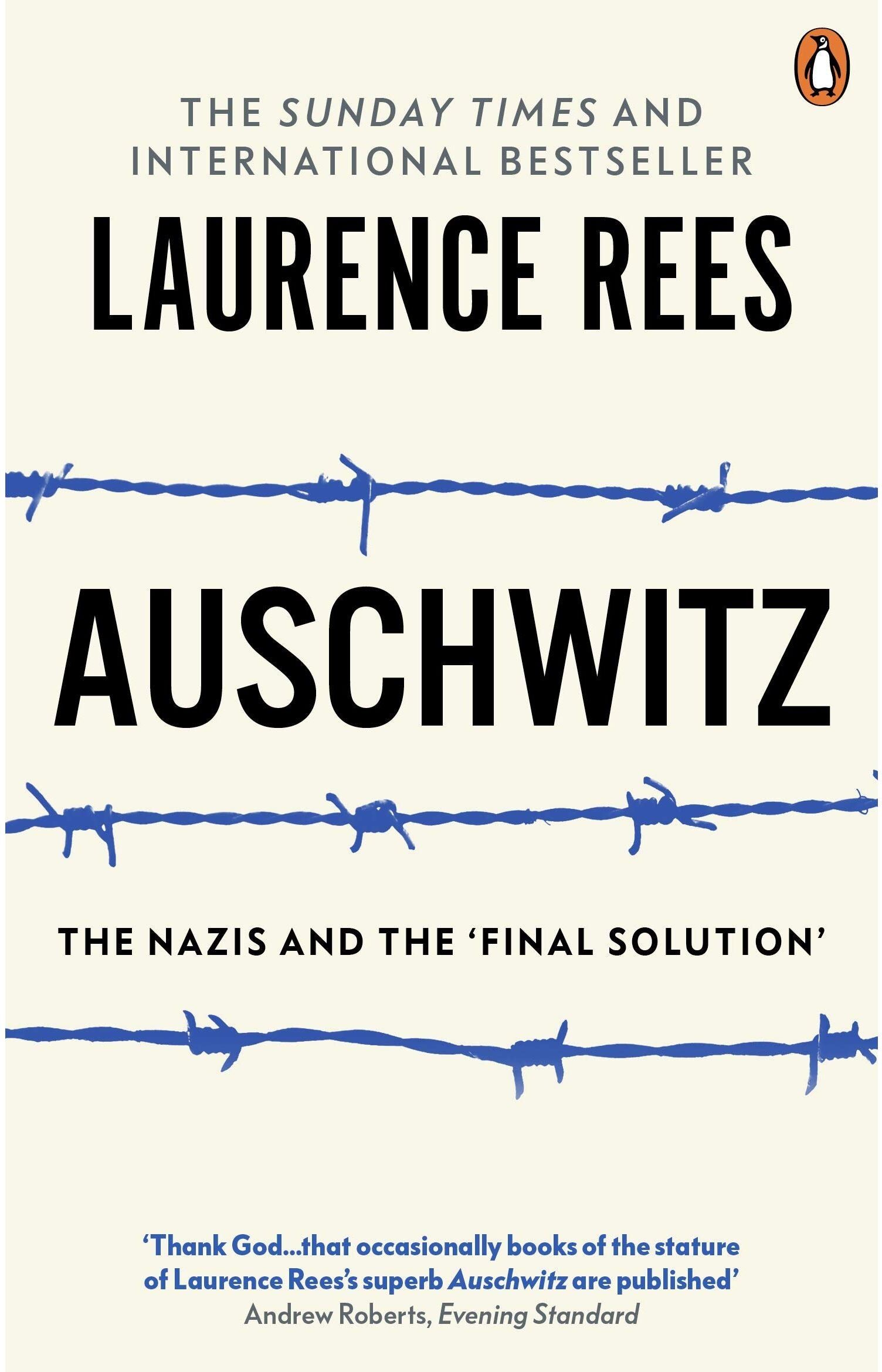
BBC Books Auschwitz: The Nazis and The 'Final Solution' by Laurence ReesIn this classic book, highly acclaimed author and broadcaster Laurence Rees tells the definitive history of the most notorious Nazi institution of them all. We discover how Auschwitz evolved from a concentration camp for Polish political prisoners into the site of the largest mass murder in history - part death camp, part concentration camp, where around a million Jews were killed. Auschwitz examines the mentality and motivations of the key Nazi decision makers, and perpetrators of appalling crimes speak here for the first time about their actions. Drawing on Rees's landmark documentary and material from the Russian archives, which challenged many previously accepted arguments, this book reveals significant and disturbing facts - from the operation of a brothel to the corruption that was rife throughout the camp. This is the story of murder, brutality, courage, escape and survival, and a powerful account of how human tragedy of such immense scale could have happened.6,99 £*Shipping: 2,99 £Secure redirect to the provider
-
Pan Lily’s Promise by Lily Ebert – Auschwitz Survival Memoir & Inspiring True StoryThe incredibly moving and powerful memoir of an Auschwitz survivor who made headlines around the world. This updated edition includes Lily being awarded an MBE, reaching her hundredth birthday, and the discovery of a long-lost book belonging to her murdered brother – the only tangible link to him that survived the Holocaust. When Holocaust survivor Lily Ebert was liberated in 1945, a Jewish-American soldier gave her a banknote on which he’d written ‘Good luck and happiness’. Many decades later her great-grandson, Dov, decided to use social media to track down the family of the GI – and 96-year-old Lily found herself making headlines round the world. Lily had promised herself that if she survived Auschwitz, she would tell everyone the truth about the camp. Now was her chance. In Lily’s Promise she writes movingly about her happy childhood in Hungary, the death of her mother and two youngest siblings on their arrival at Auschwitz in 1944 and her determination to keep her two other sisters safe. She describes the inhumanity of the camp and the small acts of defiance that gave her strength. From there she and her sisters became slave labour in a munitions factory, and then faced a death march that they barely survived. Lily lost so much, but she built a new life for herself and her family, first in Israel and then in London. It wasn’t easy; the pain of her past was always with her, but this extraordinary woman found the strength to speak out in the hope that such evil would never happen again.4,99 £*Shipping: 1,99 £Secure redirect to the provider
-
Who were the victims in Auschwitz?
The victims in Auschwitz were primarily Jewish people, as well as other targeted groups such as Romani people, Soviet prisoners of war, Polish people, disabled individuals, and others deemed undesirable by the Nazi regime. The majority of those who perished in Auschwitz were Jews, with an estimated 1 million killed in the gas chambers or from starvation, disease, and forced labor. The camp was a site of systematic genocide and mass murder during the Holocaust, where millions of innocent lives were tragically lost. **
-
What was the daily life of the prisoners in Auschwitz like?
The daily life of prisoners in Auschwitz was marked by extreme hardship and suffering. They were subjected to forced labor, inadequate food and water, and harsh living conditions. Prisoners were often subjected to physical and psychological abuse by the guards. Many prisoners lived in constant fear of being selected for execution in the gas chambers. Overall, the daily life of prisoners in Auschwitz was characterized by dehumanization, despair, and the struggle for survival. **
-
Did the Jews in Auschwitz receive food?
Yes, the Jews in Auschwitz did receive food, but it was extremely limited and inadequate. They were given meager rations of bread, watery soup, and sometimes a small portion of margarine or sausage. The lack of proper nutrition, combined with harsh living conditions and forced labor, led to widespread malnutrition and starvation among the prisoners. Many inmates resorted to desperate measures to obtain additional food, such as stealing or trading valuables. **
-
What happened to the children in Auschwitz?
The children in Auschwitz suffered greatly during their time in the concentration camp. Many were separated from their parents upon arrival and were subjected to harsh living conditions, malnutrition, and forced labor. They were also victims of medical experiments and often faced immediate extermination in the gas chambers. The majority of the children who arrived at Auschwitz did not survive, and those who did were deeply scarred by the trauma they endured. **
* All prices are inclusive of VAT and, if applicable, plus shipping costs. The offer information is based on the details provided by the respective shop and is updated through automated processes. Real-time updates do not occur, so deviations can occur in individual cases. ** Note: Parts of this content were created by AI.